 Call Us Now!
 Among several types of ball valves, we, at Ashok Polymers, offer UPVC Ball Valves- the ones which have carved a niche because of their outstanding features- durability, affordability, ease of installation and chemical resistance.
What is a UPVC Ball Valve?
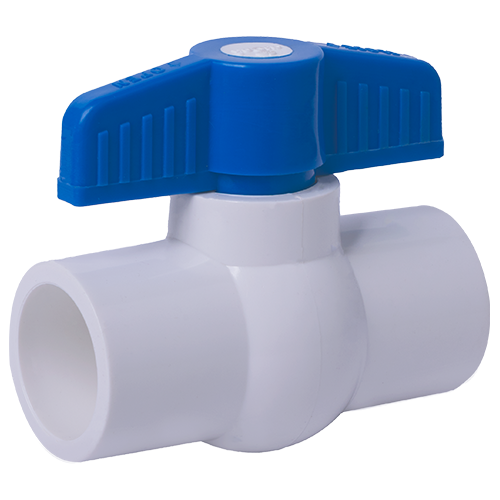
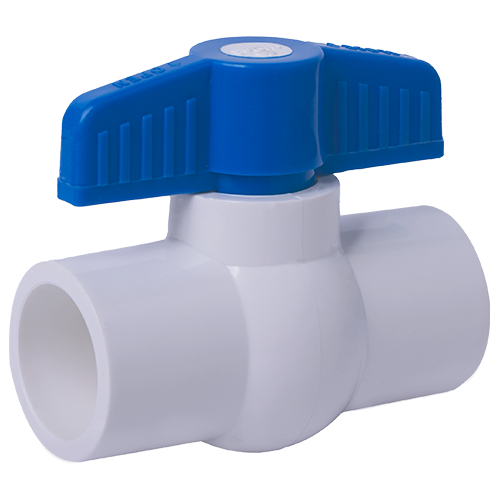
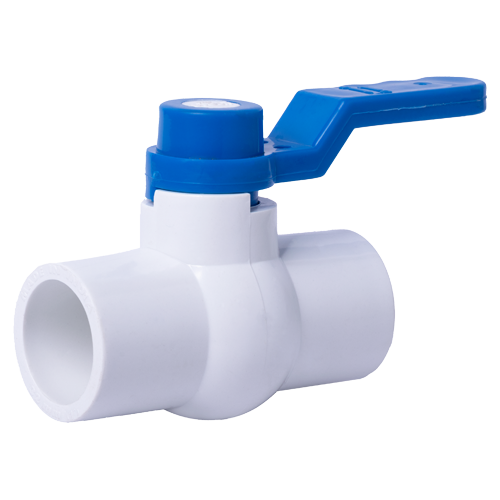
UPVC ball valve is a quarter- turn valve which is made from unplasticized polyvinyl chloride (UPVC), a rigid and durable thermoplastic.
What makes UPVC different from other types of PVC ball valves is in the use of unplasticized polyvinyl chloride, meaning it is free from plasticizers. This makes the device stronger with higher chemical resistance and ability to handle high- pressure fluid applications. As such, these valves have their best use in irrigation, plumbing, chemical handling, industrial processing, etc.
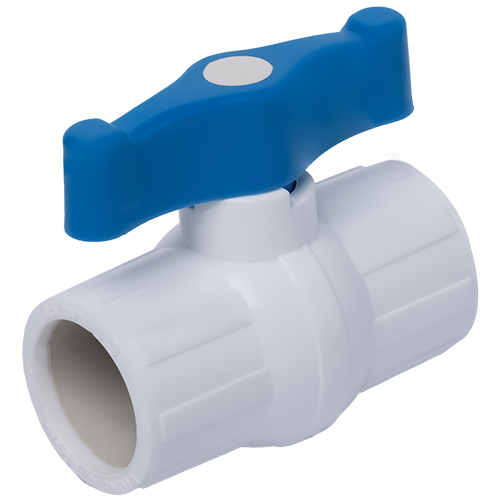
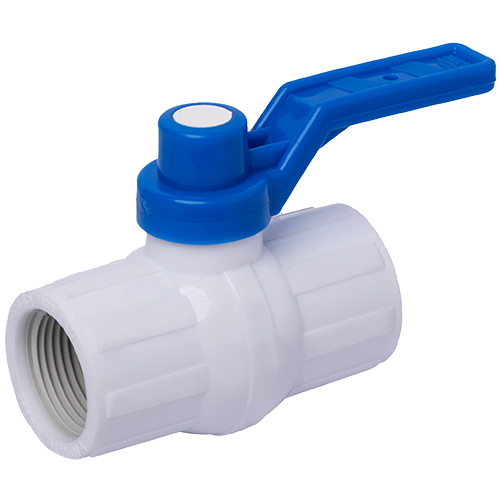
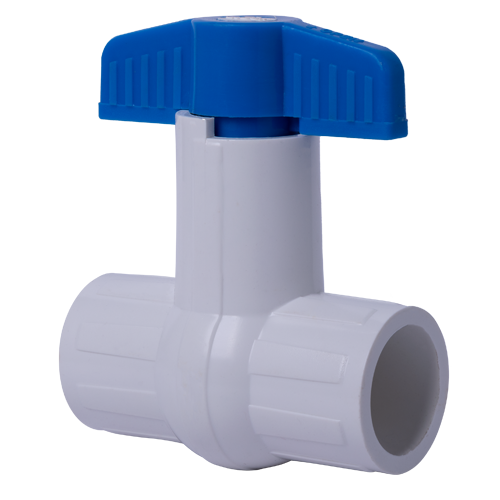
Material and Construction
The UPVC ball valves consists of the following key components –
Made up of corrosion resistant UPVC material, thus known for providing structural integrity.
Ball is usually made of UPVC or high-grade plastic with a precision-drilled hole. It is the main component that rotates to allow or block flow.
These are made of PTFE or EPDM and ensure tight sealing and smooth operation.
Handles are usually made of strong plastic material and allows for manual operation of the valve.
It facilitates the rotation mechanism while connecting the handle to the ball.
For easy installation, disassembly and maintenance, valves can also have detachable union ends.
Working Principle of UPVC Ball Valves
UPVC Ball Valves operate on the principle of quarter-turn mechanism (meaning, the rotation of the ball at 900) that regulates the flow of fluid within the system
The valve is open and the fluid flows freely through the bore in the ball.
The valve is closed, thus, the bore turns perpendicular to the flow path and blocks the fluid to flow through the bore in the ball.
Due to its on- off control, UPVC ball valves are ideal for isolation purposes and not throttling.
Applications
Due to its versatility, UPVC valves are in use in several industries –
These materials are ideal for managing water supply in households and thus commonly used in kitchens, bathrooms and tanks.
Due to their non- corrosive nature, these valves are used in filtration systems, chlorine dosing and pipeline management.
These materials are highly resistant to chlorinated water and saltwater. Thus, these are perfect for aquatic environments.
Commonly used in sprinkler and drip irrigation systems, these valves resist degradation from pesticides and fertilizers.
The UPVC materials can handle corrosive chemicals and low-pressure fluids in manufacturing plants.
The UPVC ball valves control the flow in heating and cooling systems, thus prevents rusting and clogging in air-handling pipelines.
Key Advantages of Using UPVC Ball Valves
UPVC materials are highly resistant to corrosion. They can handle saline water, acids and alkalis and thus, are suitable to use in water treatment facilities, chemical plants and marine applications.
Due to their compatibility with a wide range of acids, alkalis and salts, UPVC is an ideal choice for various industries including chemical processing, pharmaceuticals, and agriculture.
UPVC is a non- conductor of electricity. This allows them to add a safety layer in electrically sensitive environments.
Since these are lightweight materials, it is easier to transport, install and handle without the need for heavy machinery.
UPVC materials are one of the most economical options available for fluid handling. They perform great while being a cheaper and cost- effective option when compared to the cost of the valves made of brass or steel.
UPVC materials have a smooth internal surface which reduces friction loss and prevents scale buildup. This ensures uninterrupted flow over longer durations.
Precision- engineered balls and high- quality sealing materials provide reliable leak- proof operation even under varying pressures
Limitations of UPVC Ball Valves
Despite several advantages, UPVC ball valves have certain limitations as well-
Usually, the UPVC ball valves work fine within a safe temperature range of 00C – 600C (320F – 1400F). Prolonged exposure to high temperature (i.e., temperature above 600C or 1400F) causes the material to soften, deform and degrade, thus leading to valve failure.
UPVC materials are more brittle and may crack under sudden or extreme mechanical stress or impact. Therefore, UPVC ball valves are not recommended for high- pressure compressed gas applications.
These are suitable for pressure up to 145 PSI (or 10 Bar) depending upon the size and design of the valve. As such, UPVC valves are not suitable for high-pressure industrial systems.
Due to extended exposure to direct sunlight, the degradation of UPVC material of the ball valves is inevitable. Thus, to make it a safe option to use outdoors is to opt for UV-resistant variants or use protective coatings.
At sub-zero temperatures, UPVC can become brittle and prone to cracking under impact.
Installation Best Practices
For better performance and longevity of UPVC ball valves, following best practices are recommended to ensure proper installation –
-
Use compatible piping
To avoid chemical incompatibility or mismatched expansion rates, make sure to always use UPVC pipes and fittings.
-
Install Horizontally (Preferred)
It is always preferred to install the valves horizontally to ensure uniform pressure distribution and ease of access.
-
Avoid over tightening
Plastic threads can strip or crack under excessive force. So make sure to avoid overtightening.
-
Pipeline support
Prevent stress on the valve body by using proper pipe supports.
-
Use Solvent Cement Carefully
Ensure clean, dry surfaces before applying cement to create a leak-proof joint.
Maintenance Tips
UPVC ball valves are low maintenance but to ensure their durability and enhancing their lifespan, make sure to follow these tips –
It is crucial to operate the valve periodically to prevent it from seizing.
In systems prone to sediment, make sure to clean the valve to avoid clogging and to keep the smooth run of flow.
Check and inspect around the seals or joints for water seepage, crackings, discoloration, leaks, etc.
Over time, PTFE or O- Rings may wear out, causing leakage to happen. As such, make sure to replace them to stop leaks from the system.
Use UV covers or paint with protective coating if the valves are installed outdoors and exposed to UV rays.
Comparison Between UPVC Vs. CPVC Vs. RPVC Ball Valves
|
Feature |
UPVC |
CPVC |
RPVC |
|
Max Temp |
60°C |
93°C |
60°C |
|
Strength |
Moderate |
Higher |
High |
|
Cost |
Low |
Higher |
Moderate |
|
Chemical Resistance |
Good |
Excellent |
Excellent |
|
Best For |
Domestic, irrigation |
High-temp chemicals |
Industrial use |
|
Ideal For |
General purpose, cost-sensitive projects |
High- temperature chemical flows |
Industrial and heavy-duty uses |
Certifications and Standards
Quality UPVC ball valves should conform to industry standards such as:
Plastic piping for water supply
Standard for UPVC fittings
Indian standard for UPVC pipes
For potable water applications (if required)
Why Ashok Polymers?
Due to their lightweight design, cost-effectiveness, chemical resistance and easy operation, UPVC Ball Valves offer an outstanding solution for fluid control across a variety of sectors. While not recommended for extreme temperatures or high- pressure gas systems, their advantages make them a top choice for agricultural, residential and industrial water systems.
Whether you’re a DIY homeowner, a plumbing contractor or an industrial engineer, understanding the characteristics of UPVC ball valves will guide you to make informed decisions for all the fluid control needs. With proper installation and periodic maintenance, these valves can serve efficiently for many years.
Still having questions? Reach out to us at Ashok Polymers to receive the right information and get resolution to all your queries and concerns.
Ashok Polymers have a market edge in manufacturing excellence, thus ensuring that each valve is
- crafted under strict quality control
- certified by industry standards, and
- backed by customer trust.
We are committed to more than just supplying valves – we are enabling smart flow solutions.
