 Call Us Now!
In modern piping and fluid control systems, choosing the right valve is critical for efficiency, durability, and long-term performance. One such reliable and widely used solution is the RPVC Ball Valve. Known for its strength, chemical resistance, and cost-effectiveness, RPVC ball valves are increasingly preferred in industrial, agricultural, and plumbing applications. Whether you are a contractor, industrial buyer, or homeowner, understanding RPVC ball valves can help you make better purchasing decisions. In this complete guide, we will explore what an RPVC ball valve is, how it works, its benefits, applications, and how to choose the right one.
Table of Contents
ToggleWhat is an RPVC Ball Valve?
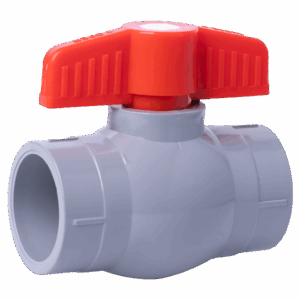
An RPVC (Rigid Polyvinyl Chloride) Ball Valve is a type of quarter-turn valve used to control the flow of liquids in a pipeline. It uses a hollow, perforated ball inside the valve body that rotates to either allow or block fluid flow.
When the handle is turned:
- The ball rotates 90 degrees
- The hole aligns with the pipe (open position)
- Or turns perpendicular (closed position)
This simple mechanism ensures quick operation, tight sealing, and minimal leakage.
RPVC is a rigid form of PVC, offering improved strength and durability, making it suitable for high-performance applications.
How Does an RPVC Ball Valve Work?
The working principle of an RPVC ball valve is based on the rotation of a ball inside the valve body.
Step-by-Step Working
- 1. The handle is connected to the internal ball.
- 2. Turning the handle rotates the ball.
- 3. The bore (hole) inside the ball aligns with the pipe.
- 4. Fluid flows when aligned; stops when turned perpendicular.
Key Highlights
- Quarter-turn operation (fast control)
- Leak-proof sealing
- Minimal pressure drop
This makes RPVC ball valves highly efficient for flow control.
Key Features of RPVC Ball Valves
RPVC ball valves offer several features that make them a preferred choice:
High Strength Material – More rigid than standard PVC
Excellent Chemical Resistance – Suitable for various fluids
Corrosion-Free – No rust or degradation
Lightweight Design – Easy to handle and install
Smooth Operation – Requires minimal effort
Leak-Proof Sealing – Ensures zero leakage
Long Service Life – Durable even in harsh conditions
Benefits of Using RPVC Ball Valves
Superior Durability
RPVC material is stronger and more rigid, making it suitable for long-term use.
Corrosion Resistance
Unlike metal valves, RPVC does not rust, ensuring consistent performance.
Cost-Effective Solution
Provides excellent performance at a lower cost compared to metal valves.
Easy Installation
Lightweight and easy to install in various piping systems.
Low Maintenance
Requires minimal maintenance, saving time and cost.
Chemical Compatibility
Can handle a wide range of chemicals without damage.
Energy Efficient
Smooth internal surface reduces friction and improves flow efficiency.
Applications of RPVC Ball Valves
RPVC ball valves are widely used across multiple industries:
Agriculture & Irrigation
- Drip irrigation systems
- Sprinkler systems
- Water distribution pipelines
They help in efficient water management and reduce wastage.
Residential Plumbing
- Household water supply systems
- Overhead tanks
- Bathroom and kitchen pipelines
RPVC valves are affordable and reliable for home use.
Industrial Applications
- Chemical processing industries
- Water treatment plants
- Effluent management systems
Their chemical resistance makes them ideal for industrial environments.
Chemical Handling
RPVC ball valves are suitable for handling non-reactive and mildly reactive chemicals.
How to Choose the Right RPVC Ball Valve
Selecting the right RPVC ball valve is important for performance and durability.
Consider These Factors
- Pipe size compatibility
- Pressure rating
- Temperature conditions
- Type of fluid
- Installation requirements
- Manufacturer quality
Always choose a trusted RPVC Ball Valve manufacturer in Ahmedabad to ensure quality and reliability.
FAQs about RPVC Ball Valves
RPVC ball valves are used to control the flow of liquids in plumbing, irrigation, and industrial systems.
RPVC is more rigid and stronger than PVC, making it suitable for high-performance applications.
Yes, they are widely used in industries due to their durability and chemical resistance.
Yes, they are compatible with many non-reactive chemicals.
With proper use, RPVC ball valves can last for many years.
They are more corrosion-resistant and cost-effective, but suitability depends on the application.
Regular cleaning and avoiding excessive pressure help maintain performance.
They are used in agriculture, plumbing, chemical industries, and water treatment systems.
Look for quality certifications, experience, and customer reviews.
Ahmedabad offers high-quality manufacturing, competitive pricing, and reliable supply chains.
Conclusion
RPVC ball valves are a powerful solution for modern fluid control systems. With their durability, corrosion resistance, and cost-effectiveness, they are widely used across industries and households.
Whether you are upgrading your piping system or planning a new installation, choosing a high-quality RPVC ball valve ensures efficiency, safety, and long-term performance.
For best results, always select a trusted RPVC Ball Valve supplier in Ahmedabad to ensure quality and reliability.
 Next Post