
 Call Us Now!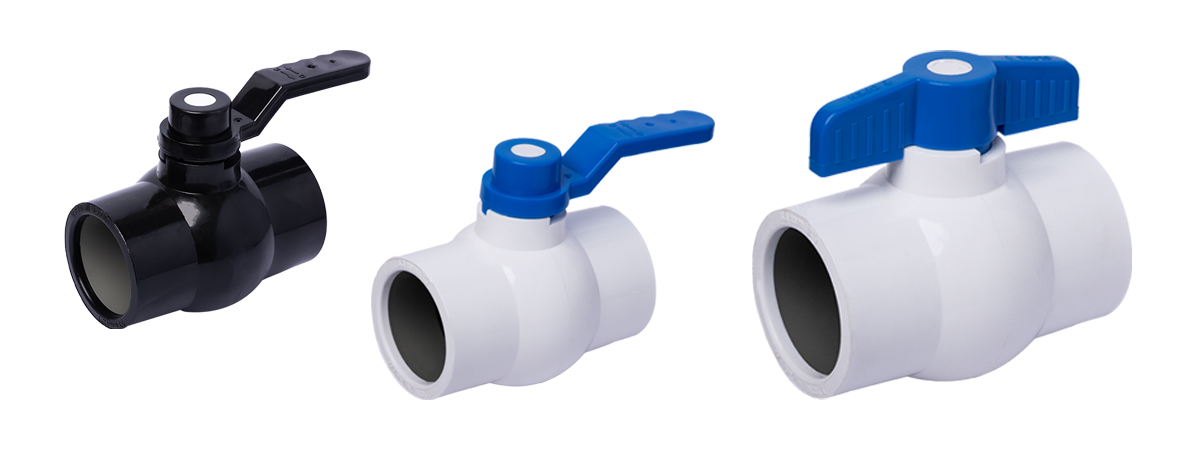
Reliable, Precision-Manufactured Flow Control Solutions for Tiruvannamalai's Agriculture, Sugar, Textile, and Infrastructure Sectors
Tiruvannamalai is one of Tamil Nadu’s most strategically positioned and economically significant districts — a district that blends a powerful agricultural economy, a growing agro-industrial base, an active handloom and weaving sector, a large and expanding sugar and jaggery processing industry, and an infrastructure and construction landscape that has grown rapidly in step with the district’s economic development and pilgrimage tourism. Located at the foot of the sacred Annamalai Hills, the city of Tiruvannamalai is both a major religious destination that draws millions of visitors annually and a functioning regional commercial and agricultural hub serving the district’s vast rural economy.
Across every productive sector of Tiruvannamalai district — from the groundwater-fed irrigation systems of its paddy and sugarcane cultivation zones to the process water systems of its sugar mills, from the plumbing networks of its expanding residential construction to the utility piping of its hospitals and educational institutions — PVC ball valves are the dominant flow control component. Their combination of corrosion resistance, chemical compatibility, low maintenance, and long service life makes them the technically and commercially correct specification for the widest range of applications found in Tiruvannamalai’s industrial and agricultural economy.
This guide is written for procurement managers, project engineers, irrigation contractors, plumbing professionals, agro-industrial facility managers, and business owners across Tiruvannamalai and the wider Tiruvannamalai district who are evaluating PVC ball valve suppliers and want to make a technically sound, well-informed procurement decision. Every section is structured to deliver the depth of information needed — product types, material grades, technical parameters, industry applications, selection methodology, installation guidance, and a comprehensive FAQ section — so that every sourcing decision is made with full confidence.
Why Tiruvannamalai's Economy Creates Specific PVC Ball Valve Requirements
Tiruvannamalai’s economic profile is anchored in agriculture and agro-processing, with a growing layer of construction, healthcare, and institutional infrastructure built on top. Four factors define the specific valve quality and specification requirements for buyers across the district:
Agriculture-Dominant Economy and Extensive Irrigation Infrastructure
Tiruvannamalai district is one of Tamil Nadu’s significant paddy, sugarcane, groundnut, and banana cultivation zones — with agriculture supporting the majority of the district’s rural population. The district’s irrigation infrastructure is extensive — drawing on the Cheyyar and Commercial rivers, a network of tanks and canals, and a large and growing population of borewells and farm pump systems. Drip irrigation and sprinkler systems have seen rapid adoption across the district’s horticultural and commercial farming zones, and agriculture-grade PVC and RPVC ball valves are the essential flow control components across these systems. Valve quality directly impacts irrigation system reliability, which in turn directly impacts crop yield — making procurement quality a priority rather than a cost-cutting exercise.
Sugar Industry and Agro-Processing Water Management
Tiruvannamalai district and its surrounding zones support multiple sugar mills, jaggery production units, and allied agro-processing facilities — all of which use water extensively in cane washing, juice extraction, evaporation, and effluent management. UPVC ball valves are the preferred specification for process water headers, cooling water distribution, and effluent collection lines in sugar mill infrastructure, where the combination of pH-variable process water, high-cycle operation across the crushing season, and the need for minimal maintenance during continuous operation make corrosion-resistant, durable valve construction essential.
Handloom Weaving and Textile Sector — Process Water Needs
Tiruvannamalai district has a significant handloom and power loom weaving sector — particularly in silk and cotton textile production — that uses water in yarn preparation, fabric processing, and dyeing operations. Though smaller in scale than dedicated dyeing hubs like Tiruppur, Tiruvannamalai’s textile processing units have consistent requirements for PVC and UPVC ball valves in their process water supply, chemical storage tank outlets, and effluent treatment systems where chemically resistant, maintenance-free valve performance is valued.
Pilgrimage Tourism and Associated Construction and Infrastructure Growth
Tiruvannamalai’s significance as one of Tamil Nadu’s most important religious pilgrimage destinations — attracting millions of devotees for the annual Karthigai Deepam festival and steady daily visitors year-round — has driven sustained growth in hotel, lodge, ashram, and commercial construction across the city. All of these buildings require plumbing-grade PVC and CPVC ball valves for cold water distribution, hot water supply, and utility connections. Combined with the district’s broader residential construction growth and ongoing government infrastructure projects, this creates a consistent and growing demand for standard plumbing-grade PVC valves.
About Ashok Polymers — Precision Valve Manufacturing Since 25+ Years
Ashok Polymers is a fully integrated, nationally supplying manufacturer of PVC, UPVC, CPVC, and specialty plastic ball valves — based in Ahmedabad, Gujarat, India’s established heartland of polymer valve manufacturing. With over 25 years of focused manufacturing experience, a product range covering more than 50 valve variants across all material types, sizes, and connection configurations, and a quality management system aligned with IS, ASTM, DIN, and ISO standards, the company serves industrial, agricultural, and infrastructure buyers across every region of India — including consistent, reliable supply to Tiruvannamalai and the wider Tamil Nadu district.
Every valve is manufactured entirely in-house — from virgin raw material intake and verification through body moulding, seat and seal assembly, multi-stage dimensional inspection, hydrostatic and leakage testing, and final packaging and dispatch. No critical production or quality process is outsourced. This end-to-end manufacturing discipline delivers the batch-to-batch quality consistency and documentation that procurement teams in Tiruvannamalai’s agro-industrial and infrastructure sectors require from a reliable valve supplier.
Why Tiruvannamalai Buyers Choose This Manufacturing Partner
- Complete in-house production — moulding, assembly, quality testing, and dispatch under a single controlled facility
- Virgin-grade PVC, UPVC, and CPVC raw materials with third-party material test certificates available on request
- PTFE and EPDM seat and seal combinations validated for chemical service, potable water, and agricultural applications
- Full product range covering Tiruvannamalai’s application spectrum — sugar mills, drip irrigation, construction plumbing, hospitals
- IS 10124, ASTM D1784, DIN 8063, and ISO 9001 quality management compliance
- Pan-India logistics — reliable 3 to 5 business day delivery to Tiruvannamalai for standard stock items
- Technical support for valve selection, chemical compatibility verification, and installation guidance
Complete PVC Ball Valve Product Range for Tiruvannamalai's Sectors
Solid PVC Ball Valve — Standard Plumbing and Agriculture Grade
The solid PVC ball valve is Tiruvannamalai’s most widely used valve type — across residential plumbing, water storage connections, agricultural irrigation systems, and light commercial applications throughout the city and district. Moulded as a one-piece body from virgin-grade PVC, it delivers reliable quarter-turn shut-off with no body joints to leak or fail. Available in gray, black, and white body colours with both short handle and long handle with MS plate configurations, it covers the broad middle ground of standard flow control requirements across every sector of Tiruvannamalai’s economy.
Technical Specifications:
- Body Material: Virgin-grade PVC (Polyvinyl Chloride)
- Body Colours: Gray | Black | White
- Handle Options: Short handle | Long handle with MS plate reinforcement
- Connection Type: Socket weld (solvent cement) | Threaded BSP
- Working Pressure: Up to 10 kg/cm² at 20°C
- Operating Temperature: 0°C to 60°C
- Seat Material: PTFE | EPDM
- Standards: IS, ASTM D1784
Applications in Tiruvannamalai:
Residential plumbing in apartments and independent homes across the city, municipal water supply connection points, paddy and banana farm drip and sprinkler irrigation across the district, borewell pump connections, overhead tank outlet controls, ashram and dharamshala utility water distribution, garden and landscape irrigation in temple and pilgrimage infrastructure.
UPVC Ball Valve — Sugar Mills, Industrial, and Chemical Applications
UPVC (Unplasticized PVC) ball valves are the correct specification for Tiruvannamalai’s most mechanically and chemically demanding industrial environments — particularly sugar mills and allied agro-processing facilities, textile processing units, and any piping system where higher rigidity, better dimensional stability, and broader chemical resistance are required beyond what standard PVC can deliver. Without plasticizer additives, the UPVC body material is harder, more dimensionally stable under continuous load, and resistant to a wider range of process chemicals encountered in sugar and textile processing operations.
Technical Specifications:
- Body Material: UPVC — unplasticised, rigid, dimensionally stable PVC
- Handle Configurations: Short handle | Long handle with MS plate | Concealed in-wall design
- Working Pressure: Higher effective rating vs. standard PVC at equivalent size
- Connection Type: Socket weld | Threaded BSP | Flanged
- Seat Material: PTFE — chemically inert across the widest range of process fluids
- Stem Seal: EPDM O-ring — excellent chemical and weathering resistance
Applications in Tiruvannamalai:
Sugar mill cooling water distribution, juice extraction process water supply, effluent collection and transfer piping, jaggery unit process water management, textile processing unit chemical dosing lines, water treatment plant distribution piping, industrial cooling systems, HVAC chilled water distribution in commercial buildings across the city.
CPVC Ball Valve — Hospitals, Hotels, and Hot Water Applications
CPVC (Chlorinated PVC) ball valves are engineered for continuous fluid service at temperatures above the capability of standard or unplasticised PVC. Through an additional chlorination process, CPVC achieves a heat deflection temperature that allows it to maintain full structural integrity and rated pressure performance at up to approximately 93°C. For Tiruvannamalai’s growing hospital infrastructure, its expanding pilgrimage accommodation sector — hotels, lodges, and ashrams — and its institutional facilities, CPVC is the mandatory specification for any hot water distribution line where fluid temperatures exceed 60°C.
Technical Specifications:
- Body Material: CPVC — chlorinated PVC with elevated heat deflection temperature
- Continuous Service Temperature: Up to 93°C (200°F)
- Pressure Rating: Maintained across full temperature range with published derating factors applied
- Seat Material: PTFE — stable sealing performance at elevated service temperatures
- Connection: Socket weld using CPVC-compatible solvent cement exclusively
Applications in Tiruvannamalai:
Hot water supply in government and private hospitals, ashram and dharamshala hot water systems serving pilgrimage visitors, hotel and lodge hot water distribution, solar water heating system distribution lines across the district, student hostel and educational institution hot water plumbing, industrial process water lines in sugar mills where heated water is used in process operations.
Agriculture PVC Ball Valve and RPVC Ball Valve
Tiruvannamalai district’s extensive paddy, sugarcane, groundnut, banana, and horticultural crop cultivation depends on pump-fed and gravity-fed irrigation systems operating across Tamil Nadu’s intense climatic conditions — high summer temperatures, strong UV radiation, and seasonal monsoon pressure surges. Agriculture-grade PVC and RPVC (Rigid PVC) ball valves are purpose-built for this environment, incorporating UV-resistant material formulations and field-optimised handle designs for manual operation across plantation and farm irrigation layouts.
Technical Specifications:
- Body Material: Agriculture-grade PVC | RPVC for enhanced field rigidity
- UV Resistance: Built into material formulation for sustained outdoor performance across Tamil Nadu’s climate
- Handle Design: Field-optimised for manual operation in farm and plantation settings
- Size Range: Covering drip irrigation laterals, sub-mains, and main supply line headers
Applications in Tiruvannamalai District:
Paddy and sugarcane irrigation across Tiruvannamalai, Chengam, Polur, and Vandavasi blocks, banana and groundnut drip irrigation in horticultural zones, farm borewell pump discharge controls, sprinkler system zone isolation on mixed vegetable and flower farms, agricultural water storage tank outlet connections, tank-fed and canal-command area irrigation distribution systems.
Union Ball Valve — Maintenance-Friendly Process Line Configuration
Union ball valves feature detachable union-end connections on both sides of the valve body, allowing the valve to be physically removed from the pipeline without cutting any pipe and without disturbing any adjacent fittings. For Tiruvannamalai’s sugar mills and agro-processing facilities — where process valves on cooling water and chemical dosing lines are serviced as part of seasonal maintenance cycles between crushing seasons — the union configuration eliminates the time-consuming pipe cutting and re-jointing that standard socket-weld valve replacement requires.
Best For:
- Sugar mill process water and chemical dosing lines where annual off-season maintenance access is standard practice
- Water treatment plant and effluent treatment system piping where valves are periodically inspected
- Textile processing unit chemical supply lines requiring scheduled valve verification
- Any industrial installation where future valve removal must be planned into the original piping design
Plastic Foot Valve — Borewell and Pump System Protection
Plastic foot valves are installed at the suction inlet of pump systems — at the base of the suction pipe in borewells, open wells, and farm ponds — to maintain pump prime and prevent backflow when the pump shuts down. For Tiruvannamalai’s extensive agricultural borewell pump population and its irrigation system pumps, a reliable foot valve eliminates the delay and effort of manual pump re-priming after every shutdown — a particularly valuable feature in multi-pump irrigation systems where re-priming multiple pumps after a power interruption represents significant operational disruption.
Drip Fittings and Irrigation Products
A complete drip irrigation system for Tiruvannamalai’s agricultural economy requires a full range of precision drip fittings — including drip tees, take-offs, lateral cocks, joiners, end caps, adjustable drippers, inline drippers, grommets, and elbows — working in conjunction with agriculture-grade ball valves to build a hydraulically balanced, leak-free irrigation infrastructure. Every fitting must meet consistent manufacturing quality standards to ensure the overall system’s flow distribution accuracy and long-term service life across multiple growing seasons.
Plastic Ball Valve — General Purpose Range
The general-purpose plastic ball valve range serves Tiruvannamalai’s residential, small commercial, and standard agricultural applications — straightforward flow control needs where standard PVC performance is entirely adequate and a simple, cost-effective valve is the right product. Lightweight, easy to install with standard solvent cement or threaded connections, and durable under normal service conditions, these valves are the everyday flow control components of the district’s expanding residential and small commercial construction sector.
Material Composition and Construction — What Buyers Must Verify
In Tiruvannamalai’s agricultural and agro-industrial environment — where irrigation system reliability directly affects crop yield and sugar mill process systems operate continuously across a crushing season — the material composition and construction quality of every PVC ball valve has direct operational consequences. These parameters must be actively verified, not assumed, before procurement.
Valve Body — Virgin Grade Resin is the Non-Negotiable Baseline
Every quality PVC ball valve must be manufactured from virgin-grade PVC, UPVC, or CPVC resin. Recycled or blended PVC produces inconsistent mechanical properties, reduced chemical resistance, and lower impact strength — creating unpredictable performance in the field. For agricultural applications in Tiruvannamalai’s district where valves may be handled roughly during seasonal installation and experience pressure surges from pump start-up, body material quality is directly linked to failure frequency. For agro-industrial chemical service applications, virgin-grade certification is a performance requirement. Always request a raw material test certificate from the manufacturer and verify that it covers the specific product batch being purchased.
Seats — PTFE for Chemical and Industrial Service, EPDM for Water
PTFE (Polytetrafluoroethylene) seats provide near-universal chemical inertness — compatible with the widest range of process chemicals, pH correction reagents, and cleaning compounds used in Tiruvannamalai’s sugar processing and textile dyeing environments. PTFE maintains dimensional stability and consistent sealing performance across the full PVC operating temperature range and provides low actuation torque that is maintained over thousands of operating cycles.
EPDM (Ethylene Propylene Diene Monomer) O-ring seals are the appropriate choice for stem and body seals in agricultural irrigation and general water service applications — providing excellent elasticity, UV resistance, and weathering resistance for outdoor field-installed valves across Tiruvannamalai district’s farm and plantation irrigation systems.
Ball — Precision Machining for Consistent Sealing
The ball must be precision-machined to a spherical tolerance that ensures complete closure against the PTFE seat face without excessive actuation torque. In sugar mill utility systems where valves may be cycled regularly across the crushing season, and in agricultural irrigation systems where valves are operated many times during a growing season, a correctly machined ball maintains consistent sealing performance and seat contact throughout the operational life of the assembly.
Stem — Blow-Out Proof Safety Design for Pressurised Lines
For valves installed on pressurised process lines in Tiruvannamalai’s sugar mills and water treatment facilities — where formal process safety management may be in place — specify a blow-out proof stem design. This prevents the stem from being ejected under line pressure if the packing degrades, a safety feature that is mandatory in many industrial facilities operating under hazard management standards.
Handle — Selecting the Right Configuration
Short handles serve residential plumbing and small agricultural applications requiring minimal operating torque. Long handles with MS plate reinforcement are required for larger industrial valve sizes (2 inches and above) in sugar mill and water treatment applications — providing the mechanical leverage for reliable manual operation under all conditions. Concealed (in-wall) configurations are specified for hotel bathrooms, ashram accommodation blocks, and commercial spaces where the valve access point must be integrated with the wall finish without external hardware protrusion.
Technical Specifications — Quick Reference
| Parameter | Specification |
|---|---|
|
Body Material |
PVC / UPVC / CPVC (Virgin grade) |
|
Size Range |
½” to 6″ (DN15 to DN150) |
|
Working Pressure |
Up to 10 kg/cm² (150 PSI) at 20°C |
|
Operating Temperature — PVC/UPVC |
0°C to 60°C (32°F to 140°F) |
|
Operating Temperature — CPVC |
Up to 93°C (200°F) |
|
End Connection Types |
Socket weld (solvent cement) | Threaded BSP | Flanged |
|
Seat Material |
PTFE | EPDM |
|
O-ring / Stem Seal |
EPDM | NBR |
|
Ball Material |
Precision PVC | PTFE-coated PVC |
|
Handle Options |
Short handle | Long handle with MS plate | Concealed |
|
Body Colours |
Gray | Black | White |
|
Actuation |
Manual quarter-turn | Pneumatic actuator option |
|
Standards Compliance |
IS 10124, ASTM D1784, DIN 8063, ISO 9001 |
|
Potable Water Variants |
NSF/ANSI 61 compliant variants available |
|
Testing |
Hydrostatic pressure test + seat leakage test per batch |
Industry Applications in Tiruvannamalai and Across the District
Sugar Mills and Jaggery Processing Units
Tiruvannamalai district and its surrounding zone support multiple sugar mills and a larger number of jaggery and khandsari production units — all operating through a defined crushing season with high-intensity, continuous process operations. These facilities use water extensively across cane washing, juice extraction, evaporation, and effluent treatment stages. UPVC ball valves with PTFE seats are the standard industrial specification for process water headers, cooling water distribution, chemical dosing systems for water treatment, and effluent collection piping across sugar mill infrastructure. The seasonal operating model — concentrated, intensive production followed by an off-season maintenance period — makes valve durability and maintenance-friendliness (particularly union configurations for easy off-season replacement) particularly valued procurement criteria.
Paddy and Sugarcane Irrigation — Cheyyar and Commercial River Commands
The Cheyyar and Commercial river systems, combined with an extensive network of irrigation tanks and a large borewell population, support paddy and sugarcane cultivation across Tiruvannamalai’s agricultural blocks. The irrigation infrastructure in these command areas uses agriculture-grade PVC and RPVC ball valves at every flow control point — from main supply header isolation to lateral branch controls and borewell pump connections. The scale of this irrigation infrastructure across the district creates a large and consistent demand for agriculture-grade valves that must deliver reliable performance across multiple growing seasons in Tamil Nadu’s challenging outdoor conditions.
Horticultural Farming — Drip Irrigation Across the District
Beyond paddy and sugarcane, Tiruvannamalai district has seen significant growth in horticultural cultivation — banana, groundnut, tapioca, turmeric, flowers, and vegetables — all of which benefit from or rely on drip and micro-sprinkler irrigation systems. Agriculture-grade RPVC ball valves are the standard zone control component in these systems, managing pressure distribution across the irrigation layout from pump outlet through main header, sub-mains, and individual lateral controls.
Handloom and Power Loom Weaving Sector
Tiruvannamalai district has a well-established handloom and power loom weaving tradition — particularly in silk and cotton textiles. Weaving preparatory operations including sizing, warping, and yarn processing use water in humidification and process operations. UPVC ball valves serve the process water supply and chemical dosing lines in these facilities, offering the chemical resistance and maintenance-free operation that metal valves cannot sustain in textile processing environments over a multi-year operating period.
Pilgrimage and Religious Tourism Infrastructure
Tiruvannamalai’s Arunachaleswarar Temple complex — one of Tamil Nadu’s most significant Shiva temples and a destination for millions of pilgrims — and the dense network of ashrams, dharamshalas, choultries, and pilgrimage accommodation surrounding it all require reliable plumbing infrastructure for water supply, sanitation, and utility distribution. PVC ball valves for cold water distribution and CPVC valves for hot water supply are standard in ashram and accommodation block plumbing systems. Given the continuous occupancy of many of these facilities through the year, valve reliability and long service life are essential.
Residential and Commercial Construction
Tiruvannamalai city and its surrounding towns — including Polur, Vandavasi, Chengam, and Arni — have seen consistent residential and commercial construction growth driven by agricultural prosperity, pilgrimage tourism, and government infrastructure investment. All new residential and commercial construction requires plumbing-grade PVC and CPVC ball valves for cold and hot water distribution, tank connections, pump isolation, and sanitary fittings throughout the building.
Government Hospitals and Healthcare Facilities
Tiruvannamalai district’s government hospital network — including the Government Medical College Hospital in Tiruvannamalai city — and a growing network of private hospitals and nursing homes serving the district require certified PVC ball valves for potable water distribution, CPVC valves for hot water supply in clinical areas, and NSF/ANSI 61 compliant materials for any valve in contact with water used in patient care. Healthcare facility plumbing is subject to inspection and certification requirements that make valve quality documentation a procurement necessity.
Municipal Water Supply and Smart City Infrastructure
Tiruvannamalai Municipality manages water supply and distribution infrastructure across the city, with TWAD Board managing bulk supply to the district’s towns. Municipal water distribution systems use PVC ball valves extensively for zone isolation, service connection controls, and maintenance access throughout the distribution grid. Government-funded infrastructure projects — including Smart City initiatives and housing development schemes — add further consistent procurement volume to the municipal and institutional valve demand across the district.
Educational Institutions and Hostels
Tiruvannamalai district’s large student population — served by engineering colleges, arts and science colleges, polytechnic institutes, and a network of government and private schools — creates substantial plumbing requirements across campus buildings and student hostel facilities. PVC ball valves for cold water distribution and CPVC valves for hot water supply are standard specifications in institutional construction projects throughout the district.
PVC vs. Metal Ball Valves — Performance in Tiruvannamalai's Environment
| Feature | PVC / UPVC Ball Valve | Brass / Cast Iron Metal Valve |
|---|---|---|
|
Corrosion Resistance |
Excellent — immune to process water chemicals and atmospheric corrosion |
Moderate to poor — corrodes in chemical process and humid agricultural environments |
|
Chemical Compatibility |
Wide range — sugar process water, agricultural chemicals, pH reagents |
Limited — reacts with many agro-processing chemicals and fertilizer solutions |
|
UV Resistance (Agriculture) |
UV-resistant formulations available for outdoor irrigation installations |
Surface coatings degrade under intense Tamil Nadu UV radiation over time |
|
Weight |
Lightweight — fast installation and easy handling in field conditions |
Heavy — makes field installation more difficult in agricultural settings |
|
Maintenance Requirement |
Near zero — no lubrication, no rust treatment required |
Regular maintenance needed — lubrication, rust prevention, surface recoating |
|
Sugar Mill Service Life |
10–15+ years in process water service with correct specification |
5–7 years in process water service without regular maintenance and treatment |
|
Potable Water Safety |
NSF/ANSI 61 variants — confirmed no harmful leaching |
Risk of metal leaching — particularly in older or lower-quality brass grades |
|
Total Lifecycle Cost |
Lower — affordable purchase + near-zero ongoing maintenance |
Higher — purchase + sustained maintenance cost + earlier replacement cycle |
Buyer's Guide — Selecting the Right PVC Ball Valve for Tiruvannamalai
Correct valve specification at the procurement stage prevents the field failures and operational disruptions that result from material, pressure, or temperature mismatches. The six-step framework below covers every selection criterion relevant to Tiruvannamalai’s agricultural, agro-industrial, and infrastructure buyers.
Step 1 — Identify the Fluid and Confirm Chemical Compatibility
Chemical compatibility between the valve material and the service fluid is the foundational selection criterion. For clean water, agricultural irrigation, municipal water supply, and residential plumbing, standard PVC is entirely appropriate. For sugar mill process water with pH adjustment reagents, textile processing chemical dosing lines, and any industrial fluid with chemical content above the standard PVC resistance envelope, UPVC with PTFE seats is the minimum correct specification. For food-contact or potable water applications in hospitals and municipal supply, verify NSF/ANSI 61 compliance. Always check the manufacturer’s chemical resistance data for the specific fluid and concentration before finalising specification.
Step 2 — Define Operating Temperature
PVC and UPVC ball valves handle continuous service from 0°C to 60°C. Applications involving fluid temperatures above 60°C — hot water supply in hospitals and hotels, solar heating distribution, and any industrial process line with heated fluids — require CPVC ball valves rated to 93°C continuous service. Tiruvannamalai’s climate adds an important consideration for outdoor installations: ambient temperatures frequently exceed 40°C in summer, and directly sun-exposed valve surfaces can reach 50°C or above. For outdoor installations in full direct sunlight, factor in this ambient heating when evaluating the effective operating temperature against the valve’s rated range.
Step 3 — Verify Pressure Rating at Operating Temperature
The standard PVC ball valve pressure rating of 10 kg/cm² applies at 20°C. This reduces progressively as temperature rises — approximately 0.87 at 30°C, 0.74 at 40°C, and 0.50 at 60°C. For Tiruvannamalai’s outdoor agricultural installations where the valve body heats up in direct summer sunlight, the effective pressure rating at elevated ambient temperature must be verified against the irrigation system’s operating pressure, particularly at pump start-up when transient pressure surges can momentarily exceed the steady-state system pressure.
Step 4 — Select Connection Type Based on Access and Maintenance Needs
- Socket weld (solvent cement): Permanent installation — highest joint strength, correct for new piping systems where the valve will serve its full design life without removal
- Threaded BSP: Removable without cutting pipe — for retrofit, maintenance-access, and replacement applications across agricultural and plumbing systems
- Flanged: Required for larger sizes (3 inches and above) in sugar mill and water treatment applications where periodic valve removal is operationally required
- Union end: Maximum maintenance access — valve body removes without disturbing any fitting — recommended for sugar mill process lines and water treatment systems with scheduled maintenance programmes
Step 5 — Match Material Grade to Application Class
- Standard PVC: Residential plumbing, agricultural drip and sprinkler irrigation, municipal water supply, borewell pump connections
- UPVC: Sugar mill process lines, textile processing water, industrial chemical service, water treatment plant distribution
- CPVC: Hot water supply in hospitals, hotels, ashrams, and institutional buildings; process lines above 60°C
- Agriculture RPVC: Outdoor field drip and sprinkler irrigation in Tiruvannamalai’s Tamil Nadu climate with UV exposure and seasonal service
Step 6 — Evaluate and Verify Manufacturer Credentials
- Raw material certification: Third-party material test reports confirming virgin-grade resin — essential for industrial and food-contact applications
- Standard compliance: IS 10124, ASTM D1784, ISO 9001 — request and retain current certification copies
- Batch test documentation: Hydrostatic and seat leakage test records per manufactured batch
- Potable water compliance: NSF/ANSI 61 certification for hospital, municipal water supply, and healthcare facility applications
- Supply reliability to Tamil Nadu: Confirmed track record of consistent delivery to Tamil Nadu industrial and agricultural buyers
Installation Guidelines and Maintenance Best Practices
Socket Weld — Solvent Cement Installation
- Inspect both pipe end and valve socket for surface damage, contamination, and moisture before starting any joint preparation
- Clean and dry both surfaces completely — moisture or residual solvent causes bond failure in the completed joint
- Apply PVC primer to both the pipe end and valve socket — allow 30 seconds for the primer to flash off fully before cement application
- Apply PVC solvent cement evenly and completely across both surfaces using the correct brush or applicator for the pipe diameter
- Push pipe fully and firmly into the valve socket with a slight quarter-turn — maintain firm pressure without movement for 30 seconds
- Remove excess cement from the joint face — do not apply heat, force the joint, or disturb alignment
- Observe a minimum 24-hour cure period at ambient temperature before pressurising the system — extend to 48 hours for larger diameters or in cooler weather
Threaded BSP Connection Installation
- Apply a minimum of 3 wraps of PTFE thread seal tape to the male thread, wound in the direction of thread engagement
- Hand-tighten the connection fully first, then apply 1 to 2 additional turns with a wrench
- Never over-tighten — excessive torque on threaded PVC connections is the most common cause of body cracking at the thread entry
- Use wrench force on the hex flats of the valve connection end only — never grip the valve body barrel with a pipe wrench
Maintenance Programme for Tiruvannamalai’s Agricultural and Industrial Installations
- Start of season: Before each irrigation season, inspect all field-installed ball valves for body cracks, UV surface degradation, joint integrity, and smooth handle operation — replace any showing visible damage before the season begins
- Monthly (industrial): Visual inspection of sugar mill and textile processing line valves for joint weeping, body surface changes, or operating torque increase
- Quarterly: Cycle all isolation valves open and closed — prevents stem stiffness in seldom-operated emergency isolation valves
- Annually: Full inspection of PTFE seats and EPDM stem seals — proactive replacement of worn seats before failure avoids unplanned production shutdown
- UV protection: For outdoor agricultural installations in Tiruvannamalai’s intense Tamil Nadu summer conditions, inspect valve body surfaces annually for chalking or brittleness — apply UV-resistant protective coating or physical shading to extend outdoor service life
The complete product range available to Tiruvannamalai’s buyers covers every major valve type across the district’s agricultural, agro-industrial, and infrastructure sectors. Solid PVC ball valves in gray, black, and white with short or long handle with MS plate serve residential plumbing, water storage, and agricultural irrigation. UPVC ball valves in short handle, long handle with MS plate, and concealed configurations are the correct industrial specification for sugar mill process water, textile processing chemical lines, and water treatment plant distribution. CPVC ball valves handle hot water service in hospitals, hotels, and ashrams. Agriculture-grade PVC and RPVC ball valves are built for outdoor field irrigation in Tiruvannamalai’s Tamil Nadu climate. Union ball valves provide maintenance-access configurations for process lines with scheduled servicing. Plastic foot valves protect agricultural borewell and irrigation pump suction systems. Drip fittings and irrigation product components complete the full drip irrigation system from header valve to individual emitter. All valve types are available in sizes from ½ inch to 6 inches in socket weld, threaded BSP, and flanged connection configurations.
Sugar mill process water systems in Tiruvannamalai and the surrounding district require UPVC ball valves with PTFE seats as the standard industrial specification for most process water and chemical dosing applications. The reasoning is straightforward: standard PVC has adequate chemical resistance for clean water service but may be compromised by the pH-variable, chemically treated process water that circulates through sugar mill cooling water systems and the pH correction reagents used in juice clarification and effluent treatment. UPVC’s harder, more rigid body material performs better under the sustained mechanical load of continuous pressurised operation during the crushing season, and its broader chemical resistance envelope covers the range of chemicals used in sugar process water treatment. PTFE seats — as opposed to EPDM — are preferred for process chemical contact because of their near-universal chemical inertness. For the crushing season’s continuous multi-shift operation, valve durability and leak-free performance are operationally critical — a valve failure on a cooling water header during active crushing requires a plant section shutdown that cannot be absorbed without production impact. Union ball valve configurations are recommended for chemical dosing line valves that will be inspected and potentially replaced during the off-season maintenance period — eliminating pipe cutting from the maintenance process.
Agriculture-grade RPVC (Rigid PVC) ball valves are the best-suited specification for main supply line and sub-main isolation in paddy and sugarcane drip irrigation systems across Tiruvannamalai’s agricultural blocks. The RPVC formulation provides greater body rigidity than standard agriculture-grade PVC — important for valves on main supply lines that experience pump start-up pressure surges and must maintain their dimensional integrity over multiple growing seasons. For individual lateral branch control and zone isolation within the drip system, standard agriculture-grade PVC ball valves in ½-inch to 1-inch sizes are entirely appropriate and more cost-effective. All agriculture-grade valves in this range should incorporate UV-resistant material formulations — Tiruvannamalai’s Tamil Nadu summer UV intensity is high enough to cause significant PVC degradation in unprotected standard formulation valves within two to three outdoor seasons. For the full drip system, pairing agriculture-grade ball valves with a complete range of matching drip fittings — from the manufacturer — ensures dimensional compatibility and consistent hydraulic performance throughout the irrigation layout.
PVC ball valve pricing varies based on material type (PVC, UPVC, or CPVC), valve size, connection configuration, handle type, and order volume. Standard ½-inch solid PVC ball valves for residential plumbing and agricultural irrigation typically range from ₹30 to ₹80 per unit at retail. UPVC ball valves — the appropriate industrial specification for sugar mills and textile processing applications — carry a modest premium over standard PVC, with ½-inch UPVC valves ranging from ₹60 to ₹150 and 2-inch UPVC industrial configurations from ₹350 to ₹900. CPVC ball valves are priced above equivalent UPVC — typically 30 to 50% higher — reflecting the higher cost of the base material and additional manufacturing steps. Union-end and flanged configurations are priced above equivalent socket-weld types due to additional machining. For Tiruvannamalai buyers sourcing in volume — sugar mills procuring for a maintenance cycle, construction projects requiring multiple valve types, or irrigation contractors sourcing across a project — purchasing directly from the manufacturer provides substantially better pricing than retail, typically 20 to 40% below retail for meaningful order quantities. Always provide material specification, size, connection type, and quantity clearly in any quotation request to ensure accurate, comparable pricing across suppliers.
This is an important practical question for Tiruvannamalai’s agricultural sector, given the district’s intense Tamil Nadu summer heat. Standard PVC and UPVC ball valves have a rated continuous service temperature of 60°C for the fluid being handled — but outdoor valve bodies exposed to direct sunlight in Tiruvannamalai’s summer conditions can reach surface temperatures of 50°C or above, which reduces the effective pressure rating of the valve even when the fluid temperature is lower. Several measures mitigate this effectively. First, specifying UV-resistant agriculture-grade PVC or RPVC valve formulations provides both better UV protection and slightly better elevated-temperature performance than standard PVC. Second, for main supply line valves on high-pressure irrigation systems, applying a light-coloured or reflective protective coating to outdoor valve bodies reduces solar heat absorption significantly. Third, physically shading main valve locations — where possible — eliminates the solar heating issue entirely. Underground valve installations and valves in shaded locations are not affected by solar temperature loading. For the fluid temperature itself, Tiruvannamalai’s agricultural irrigation water is typically at ambient groundwater temperature — well within the PVC service range — so the solar heating of the valve body itself is the primary temperature management consideration for outdoor installations.
PTFE (Polytetrafluoroethylene) and EPDM (Ethylene Propylene Diene Monomer) are the two primary seat and seal materials used in PVC ball valves, and selecting the correct one for each application is as important as selecting the correct body material. PTFE is a chemically inert fluoropolymer that is compatible with virtually all process chemicals — acids, alkalis, oxidising agents, solvents, and industrial process fluids — and maintains its dimensional stability and sealing performance across the full PVC operating temperature range. PTFE seats are the correct specification for any valve in chemical service — sugar mill process chemical dosing lines, textile processing chemical supply, water treatment chemical dosing, and any industrial fluid beyond standard clean water. EPDM is a synthetic rubber elastomer that provides excellent elasticity, compression recovery, UV resistance, and weathering resistance — making it the appropriate choice for stem and body O-ring seals in outdoor agricultural irrigation valve installations across Tiruvannamalai district’s farming zones. In summary: specify PTFE seats for any chemical service application and for industrial process lines. Specify EPDM for general water service, agricultural irrigation, and residential plumbing. For combined applications — a valve that must handle both water service and occasional chemical cleaning — PTFE is the safer specification choice.
Yes — certified PVC ball valves meeting the standards required for government hospital and healthcare facility procurement are available and should be specifically requested for all healthcare construction and infrastructure projects. The key certifications for healthcare and government institutional plumbing procurement include IS 10124 compliance — the relevant Indian Standard for PVC pressure fittings in water supply systems — and ISO 9001 quality management system certification from the manufacturer, confirming controlled, documented production processes. For any valve in direct contact with potable drinking water in hospital premises — including water supply distribution, drinking water taps, and kitchen supply — NSF/ANSI 61 certification is the international standard confirming that no harmful substances leach from the valve material at levels that could affect patient health. For hot water distribution in hospital wards and clinical areas, CPVC ball valves with equivalent certifications are the mandatory specification. Government hospital procurement processes typically require certification documentation as part of the tender submission — ensure that all certification copies are current, dated, and cover the specific product type and size being supplied. Retain documentation as part of the project completion records for future inspection and audit reference.
Ashram and dharamshala plumbing in Tiruvannamalai serves a unique occupancy profile — facilities that may operate at very low occupancy for extended periods and then experience sudden, high-intensity use during major festivals such as Karthigai Deepam, when the city’s population can multiply several times over. This usage pattern has specific implications for valve specification. First, valves that remain in a fixed position — either open or closed — for extended periods between festivals can develop stem stiffness, particularly in cheaper-quality valves with inadequate stem seal design. Specify valves with PTFE-lubricated stems or quality EPDM O-ring stem seals for installations in ashram facilities. Second, for hot water supply in ashrams and dharamshalas with solar water heating systems, CPVC ball valves are mandatory. Third, for concealed plumbing in accommodation block bathrooms and ablution areas, UPVC concealed ball valves that can be accessed through a standard inspection panel without breaking wall finishes are the appropriate specification — they simplify the maintenance access that festival-period intensive use makes periodically necessary. Fourth, for outdoor and semi-exposed utility connections around ashram compounds, UV-resistant PVC or UPVC valves are the correct outdoor specification.
Valve sizing for drip irrigation on banana and vegetable farms in Tiruvannamalai should follow the standard flow velocity approach — ensuring that the valve bore delivers the design flow rate at a velocity between 1.0 and 1.5 metres per second, which minimises both pressure drop across the valve and erosion wear on the internal components. For practical banana farm drip irrigation sizing: ½-inch ball valves control individual drip lateral branch connections from a sub-lateral; ¾-inch valves manage sub-main branches serving 6 to 10 banana rows with a standard emitter discharge rate; 1-inch valves handle sub-main header isolation for a full field block; and 1.5 to 2-inch valves control main supply line isolation for an entire farm zone or a major sub-system. For vegetable farms with higher-frequency irrigation cycles and smaller plot sizes, ½-inch to ¾-inch ball valves typically serve the majority of lateral and sub-main control points. Always pair ball valve sizing with the adjacent pipe diameter specification and the pump’s design flow rate to confirm that the complete hydraulic system — from pump outlet to individual emitter — is correctly sized for the designed flow and pressure distribution.
Several installation errors appear consistently in PVC ball valve installations across Tiruvannamalai’s residential and commercial construction projects. The most frequent is inadequate cure time for solvent cement socket-weld joints — pressure testing or filling the system before the solvent cement has fully cured (24 hours minimum) produces joints that appear intact at low pressure but fail under full system pressure or the first thermal cycle, causing water damage that is disproportionately costly relative to the time saved. The second most common error is over-tightening threaded BSP connections — PVC valve bodies are not as tolerant of overtightening as brass fittings, and excessive wrench force causes body cracking at the thread entry point that may not be immediately visible but will fail under sustained pressure. The third common error is mixing up PVC and CPVC solvent cement on hot water CPVC valve installations — standard PVC cement applied to a CPVC socket joint produces a bond that appears complete at installation but fails under the thermal cycling of hot water service. The fourth error is installing standard PVC valves on hot water lines where CPVC is required — typically discovered when the valve body softens, the socket joint cracks, and the system begins leaking at the first hot water commissioning.
Quality agriculture-grade PVC and RPVC ball valves, correctly installed in a well-designed drip or sprinkler irrigation system, typically deliver 8 to 12 years of reliable service life in Tiruvannamalai’s conditions — significantly longer than comparable metal irrigation valves in the same environment. The key factors that influence actual service life are material quality — virgin-grade UV-resistant RPVC formulation outperforms standard or recycled PVC in outdoor Tamil Nadu conditions by a significant margin; installation quality — correctly prepared solvent cement joints and properly sealed threaded connections are the foundation of leak-free long-term performance; operating conditions — valves operated within their rated pressure range and not subjected to water hammer events or excessive mechanical impact during farm operations; UV protection — for main supply line valves in full sun exposure, applying a simple protective coating or providing physical shading can add several years of useful service life; and maintenance — valves that are inspected at the start of each irrigation season, cycled regularly to prevent stem stiffness, and replaced proactively when wear is detected consistently outperform those that receive no attention until failure. The most economical approach is to invest in quality agriculture-grade valves from a certified manufacturer at procurement, rather than sourcing the lowest-priced option — the difference in annual valve replacement cost across a 10-year irrigation system life frequently makes the premium quality option the more cost-effective choice.
For most procurement scenarios in Tiruvannamalai, sourcing directly from an established national manufacturer delivers better value than local market procurement — with one exception. Local dealers in Tiruvannamalai and nearby towns provide the fastest access to standard valve sizes for emergency replacement situations — a failed valve in an operating irrigation system or a critical utility line where downtime cost outweighs any price consideration. For all planned procurement, the national manufacturer route is superior on every relevant criterion. Pricing is typically 20 to 40% better for meaningful order quantities, as there is no distributor margin in the cost structure. Product range is complete — national manufacturers stock UPVC, CPVC, agriculture RPVC, union type, flanged, and concealed configurations across all sizes, whereas local dealers typically carry only standard PVC in common sizes. Quality documentation — material test certificates, batch hydrostatic test records, and standard compliance certificates — is available directly from the manufacturer for any procurement requiring it. Technical support — for valve selection, material compatibility queries, and installation guidance — is available from the manufacturer’s engineering team rather than a sales counter. National manufacturers with established Tamil Nadu supply chains deliver to Tiruvannamalai within 3 to 5 business days for standard stock items — a lead time that is entirely workable for any planned procurement cycle.
