
 Call Us Now!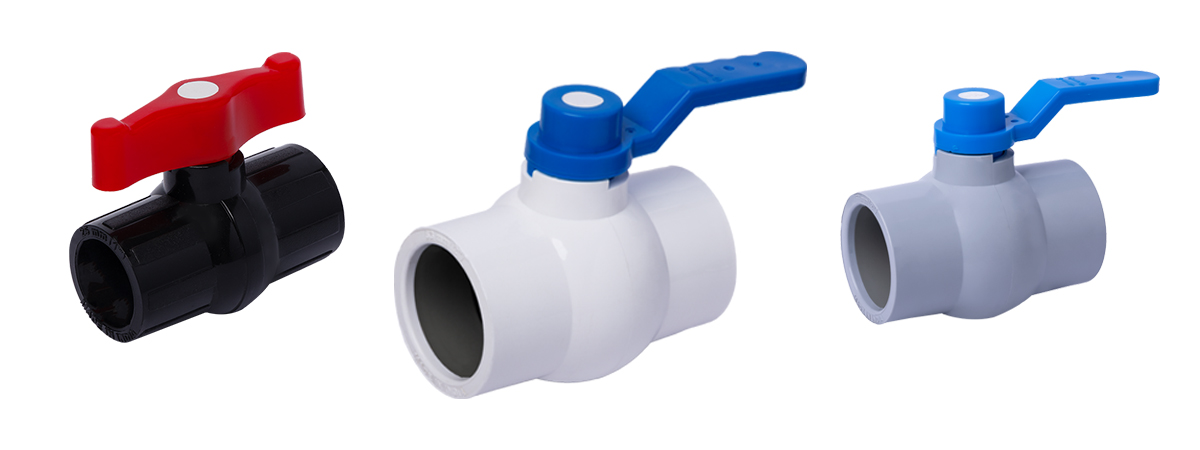
High-Performance, Chemically Resistant Flow Control Solutions for Tamil Nadu's Steel City and Its Steel, Textile, Spinning & Agricultural Industries
Salem stands apart from other Tamil Nadu cities by the sheer industrial variety packed into a single district. Widely known as the ‘Steel City of Tamil Nadu’, Salem is home to one of South India’s most significant integrated steel manufacturing complexes, a large and productive spinning mill and textile processing cluster, one of the country’s most well-known turmeric and mango trading and agricultural economies, a rapidly growing stainless steel and fabricated metal products sector, and a construction and infrastructure development boom driven by sustained urban growth. Across every one of these sectors — from the cooling water circuits of Salem’s steel plant to the irrigation networks of its surrounding agricultural belt — reliable, precisely manufactured, and long-lasting PVC ball valves are integral to functional piping and fluid control infrastructure.
PVC ball valves are the dominant flow control component across Salem’s industrial landscape for reasons that are directly tied to the city’s industrial profile. The combination of moderate industrial process conditions, significant water management requirements, an active agricultural hinterland, and a construction sector demanding cost-effective yet durable plumbing components makes PVC and UPVC ball valves the technically and commercially optimal choice across virtually every application in the city.
This guide is written for procurement managers, plant engineers, maintenance heads, irrigation contractors, plumbing professionals, and business owners in Salem and the wider Salem district who are evaluating PVC ball valve manufacturers and want to make a fully informed sourcing decision. Every aspect of the subject is covered in depth — from product types, material grades, and technical specifications, to industry-specific applications, a structured selection guide, installation best practices, and a comprehensive FAQ section addressing the questions that Salem’s buyers actually ask.
Why Salem's Industrial and Agricultural Economy Demands Quality PVC Ball Valves
Salem’s industrial identity creates a valve demand profile that combines heavy industrial requirements with large-scale agricultural and construction needs — a combination that few cities of comparable size present. Four factors drive the specific quality and specification requirements for PVC ball valves in Salem:
Steel Manufacturing — Cooling Water and Utility Piping Demands
Salem Steel Plant — operated by SAIL and one of India’s few producers of stainless steel flat products — runs extensive cooling water, utility water, and process chemical piping systems across its rolling mills, furnace zones, and auxiliary facilities. PVC and UPVC ball valves are specified for the cooling water distribution headers, chemical dosing lines, scale pit drainage systems, and utility water networks where non-metallic materials outperform carbon steel in corrosion resistance and maintenance cost. The plant’s continuous three-shift operation means any valve failure on a critical utility line carries direct production impact — making valve quality and reliability the primary procurement criterion.
Spinning Mills and Textile Processing — Process Water Management
Salem district is home to a substantial spinning mill cluster — producing cotton, polyester, and blended yarn for domestic and export markets — along with associated weaving and textile processing units. Spinning mills use large volumes of water in humidification systems, process cooling, and fabric washing circuits. UPVC ball valves are the standard specification for process water headers and chemical dosing lines in these facilities, where continuous operation, chemical compatibility, and low maintenance are all essential requirements that metal valves struggle to deliver cost-effectively over a 10-year operating cycle.
Agriculture and Irrigation — Salem’s Turmeric and Mango Belt
Salem district is one of Tamil Nadu’s most agriculturally significant — renowned nationally for its turmeric and Salem mango production, with extensive cultivation of cotton, paddy, sugarcane, and vegetables across the district’s river basin and plateau zones. Drip irrigation and sprinkler systems are widespread across Salem’s agricultural economy, and agriculture-grade PVC and RPVC ball valves are the foundational flow control components in every one of these systems — managing zone isolation at field level, pump connection points, and sub-main header controls across thousands of farm installations throughout the district.
Construction and Infrastructure Growth — Residential and Industrial
Salem’s sustained economic growth has driven significant residential and commercial construction activity, with new apartment developments, industrial park expansions, and infrastructure projects creating consistent, high-volume demand for plumbing-grade PVC ball valves. The city’s designation as a Smart City under the Government of India programme has further accelerated infrastructure investment — in water supply upgrades, sewage treatment, and urban utility distribution — all of which require PVC ball valves across the distribution network and building connection points.
About Ashok Polymers — Precision Valve Manufacturing Since 25+ Years
Ashok Polymers is a fully integrated manufacturer and national supplier of PVC, UPVC, CPVC, and specialty plastic ball valves — based in Ahmedabad, Gujarat, India’s established heartland of polymer valve manufacturing. With over 25 years of dedicated manufacturing experience, a product range covering more than 50 valve variants across all material types, sizes, and connection configurations, and a quality management system aligned with IS, ASTM, DIN, and ISO standards, the company serves the demanding requirements of industrial, agricultural, and infrastructure buyers across every region of India — including consistent, reliable supply to Salem and the wider Salem district.
Manufacturing is conducted entirely in-house — from virgin raw material intake and quality verification through body moulding, seat and seal assembly, dimensional inspection, hydrostatic and leakage testing, and final packaging and dispatch. No critical production or quality process is outsourced. This end-to-end manufacturing control is the foundation of the batch-to-batch consistency and quality documentation that industrial buyers in Salem’s steel plant, spinning mill, and infrastructure project sectors demand from a valve supplier.
Why Salem’s Industrial Buyers Choose This Manufacturing Partner
- Complete in-house production — moulding, assembly, testing, and dispatch under a single controlled facility
- Virgin-grade PVC, UPVC, and CPVC raw materials — third-party material test certificates available on request
- PTFE and EPDM seat and seal combinations for chemical, potable water, and agricultural service
- Product range covering Salem’s full application spectrum — steel plant utilities, spinning mill process lines, drip irrigation, plumbing
- IS 10124, ASTM D1784, DIN 8063, and ISO 9001 quality management compliance
- Pan-India logistics — reliable 3 to 5 business day delivery to Salem for standard stock items
- Technical support team for valve selection, material compatibility verification, and sizing guidance
Complete PVC Ball Valve Product Range for Salem's Industries
Solid PVC Ball Valve — Standard Plumbing and Agriculture Grade
The solid PVC ball valve is the most widely specified valve for Salem’s residential plumbing systems, water storage installations, agricultural irrigation networks, and light commercial applications. Moulded as a single piece from virgin-grade PVC, it delivers consistent quarter-turn shut-off performance with no internal body joints to leak. Available in gray, black, and white body colours with both short handle and long handle with MS plate configurations, it covers the full range of standard plumbing and agricultural flow control requirements across the city and district.
Technical Specifications:
- Body Material: Virgin-grade PVC (Polyvinyl Chloride)
- Body Colours: Gray | Black | White
- Handle Options: Short handle | Long handle with MS plate reinforcement
- Connection Type: Socket weld (solvent cement) | Threaded BSP
- Working Pressure: Up to 10 kg/cm² at 20°C
- Operating Temperature: 0°C to 60°C
- Seat Material: PTFE | EPDM
- Standards: IS, ASTM D1784
Applications in Salem:
Residential plumbing in apartments, housing colonies, and independent homes across Salem city, municipal water supply connection points, drip and sprinkler irrigation on turmeric and mango farms across Salem district, agricultural water storage tank controls, pump suction and discharge isolation, garden and landscape irrigation.
UPVC Ball Valve — Industrial, Steel Plant, and Process Applications
UPVC (Unplasticized PVC) ball valves are the correct industrial specification for Salem’s steel plant utilities, spinning mill process water systems, and any application requiring higher mechanical rigidity, greater dimensional stability, and broader chemical resistance than standard PVC delivers. Manufactured without plasticizer additives, the UPVC body is harder and more rigid under sustained mechanical load — performing reliably in industrial systems where standard PVC could creep or distort over time under continuous pressure and temperature cycling.
Technical Specifications:
- Body Material: UPVC — unplasticised, rigid, dimensionally stable PVC
- Handle Configurations: Short handle | Long handle with MS plate | Concealed in-wall design
- Working Pressure: Higher effective rating vs. standard PVC at equivalent size
- Connection Type: Socket weld | Threaded BSP | Flanged
- Seat Material: PTFE — chemically inert for widest fluid compatibility
- Stem Seal: EPDM O-ring — excellent chemical and weathering resistance
Applications in Salem:
Salem Steel Plant cooling water distribution and utility supply lines, spinning mill process water headers and chemical dosing systems, industrial cooling tower water distribution, water treatment plant piping, HVAC chilled water and condenser water systems in Salem’s commercial buildings and hotels, stainless steel fabrication unit process water supply.
CPVC Ball Valve — Hot Water, Hospitals, and Hospitality Applications
CPVC (Chlorinated PVC) ball valves are engineered for fluid service at temperatures that exceed the capabilities of standard and unplasticised PVC. Through a post-polymerisation chlorination process, CPVC achieves a heat deflection temperature significantly higher than PVC or UPVC — maintaining full structural integrity and rated pressure performance at continuous fluid temperatures up to approximately 93°C. For Salem’s growing hospital infrastructure, hotel and lodge sector, and industrial process lines where hot water or warm process fluids must be isolated and controlled, CPVC is the only technically correct plastic valve specification.
Technical Specifications:
- Body Material: CPVC — chlorinated PVC with elevated heat deflection temperature
- Continuous Service Temperature: Up to 93°C (200°F)
- Pressure Rating: Maintained across full temperature range with published derating factors applied
- Seat Material: PTFE — stable and inert at elevated service temperatures
- Connection: Socket weld using CPVC-compatible solvent cement exclusively
Applications in Salem:
Hot water distribution in Salem’s private hospitals, government medical facilities, and nursing homes, hotel and lodge hot water supply systems, student hostel and educational institution hot water plumbing, solar water heating system distribution lines, industrial process lines in spinning mills and steel plant support facilities where fluid temperatures exceed the 60°C PVC limit.
Agriculture PVC Ball Valve and RPVC Ball Valve
Salem district’s extensive turmeric, mango, cotton, paddy, and sugarcane agricultural economy depends on drip and sprinkler irrigation systems that operate across challenging outdoor conditions — intense Tamil Nadu summer heat, UV radiation, seasonal monsoon pressure surges, and the physical handling demands of farm environments. Agriculture-grade PVC and RPVC (Rigid PVC) ball valves are purpose-built for these conditions, with UV-resistant material formulations and field-optimised handle designs for manual operation in plantation and farm settings.
Technical Specifications:
- Body Material: Agriculture-grade PVC | RPVC for enhanced rigidity in field conditions
- UV Resistance: Built into material formulation for sustained outdoor performance
- Handle Design: Field-optimised for easy manual operation without additional tools
- Size Range: Covering irrigation laterals, sub-mains, and main supply headers
Applications in Salem District:
Drip irrigation for turmeric cultivation across Omalur, Mettur, and Edappadi blocks, mango orchard micro-irrigation in the Salem-Attur belt, cotton and paddy irrigation across the Thirumani and Sankari zones, sugarcane drip irrigation, sprinkler systems on mixed vegetable farms, farm borewell pump connection controls.
Union Ball Valve — Maintenance-Friendly Configuration
Union ball valves feature detachable union-end connections on both sides that allow the valve body to be fully removed from the pipeline without cutting any pipe and without disturbing any adjacent fittings. In Salem’s industrial installations — spinning mills, steel plant support piping, and water treatment systems — where valves on process lines are serviced as part of planned maintenance cycles, union configurations eliminate the cutting, re-jointing, and extended system downtime that standard socket-weld valve replacement requires.
Best For:
- Spinning mill process water and chemical dosing lines where planned maintenance access is required
- Water treatment plant and ETP piping where valves are periodically inspected
- Steel plant support utilities where minimal planned downtime is a priority
- Any industrial system where future valve replacement must be factored into the original piping design
Plastic Foot Valve — Agricultural Pump Protection
Plastic foot valves are installed at the suction inlet of agricultural and industrial pumps — at the bottom of the suction pipe in borewells, open wells, and surface water sources — to maintain pump prime and prevent backflow when the pump shuts down. For Salem’s large agricultural pump population — serving drip irrigation, sprinkler systems, and farm water storage across the district — a reliable foot valve eliminates the time and effort of manual pump re-priming after every shutdown cycle.
Drip Fittings and Irrigation Products
A complete drip irrigation system for Salem’s diverse agricultural economy requires a full range of precision drip fittings — drip tees, take-offs, lateral cocks, joiners, end caps, adjustable drippers, grommets, and inline drippers — working alongside agriculture-grade ball valves to build a leak-free, hydraulically balanced irrigation infrastructure. Every fitting must meet consistent quality standards to ensure the overall system’s pressure distribution and long-term service life.
Plastic Ball Valve — General Purpose Range
The general-purpose plastic ball valve range covers Salem’s residential, small commercial, and standard agricultural applications — straightforward flow control requirements where standard PVC performance is entirely adequate and a simple, cost-effective valve configuration is the right specification. Lightweight, easy to install, and durable in standard service conditions, these valves are the everyday flow control components of Salem’s growing residential construction sector.
Material Composition and Construction — What Salem Buyers Must Verify
The performance, service life, and suitability of any PVC ball valve for its intended application in Salem’s industrial or agricultural environment is determined fundamentally by its material composition and manufacturing quality. These parameters must be verified — not assumed — before procurement, particularly for chemical service, potable water, and high-cycle industrial applications.
Valve Body — Virgin Grade Resin Is Non-Negotiable
Every quality PVC ball valve must be manufactured from virgin-grade PVC, UPVC, or CPVC resin — not recycled, blended, or regrind material. Recycled PVC has inconsistent mechanical properties, reduced impact resistance, variable chemical resistance, and unpredictable long-term performance. In Salem’s steel plant and spinning mill environments — where process water and chemical dosing lines operate continuously under sustained pressure — a valve body moulded from recycled material introduces an unacceptable failure risk. Request and verify the manufacturer’s raw material test certificate before finalising any industrial procurement.
Seats — PTFE for Chemical and Industrial Service, EPDM for Water
PTFE (Polytetrafluoroethylene) seats offer near-universal chemical inertness — compatible with the widest range of process chemicals, cooling water treatment compounds, and cleaning agents encountered in Salem’s steel plant and textile processing environments. PTFE maintains its dimensional stability and sealing integrity across the full PVC operating temperature range and provides low-friction operation that extends valve cycle life significantly compared to EPDM seats in chemical service.
EPDM (Ethylene Propylene Diene Monomer) O-ring seals provide excellent elasticity, compression recovery, and resistance to weathering, ozone, and UV — making them the appropriate choice for stem and body seals in agricultural irrigation valves and general water service applications across Salem district’s farm and residential installations.
Ball — Precision Machining for Bubble-Tight Closure
The ball must be precision-machined to a spherical tolerance that ensures complete, bubble-tight closure against the PTFE seat without requiring excessive operating torque. In industrial cycle applications — spinning mills and steel plant utilities where valves may be operated hundreds of times per year — a correctly machined ball maintains consistent sealing performance and seat contact across the full operational life of the assembly.
Stem — Blow-Out Proof Design for Pressurised Industrial Lines
For any valve installed on a pressurised industrial process line — steel plant utilities, chemical dosing systems, or industrial water treatment — verify that the stem incorporates a blow-out proof design. This prevents the stem from being ejected under line pressure in the event of packing wear or failure, a critical safety requirement for industrial facilities with formal safety management programmes.
Handle — Matching Handle Type to Application Requirements
Short handles suit residential plumbing and small agricultural applications where minimal operating torque is required. Long handles with MS plate reinforcement are the correct choice for larger industrial valve sizes (2 inches and above) in steel plant utility and spinning mill applications — providing the mechanical leverage needed for reliable operation without applying excessive stress to the valve body. Concealed configurations are specified for residential bathrooms and commercial spaces where the valve access point must be flush with the wall finish.
Technical Specifications — Quick Reference
| Parameter | Specification |
|---|---|
|
Body Material |
PVC / UPVC / CPVC (Virgin grade) |
|
Size Range |
½” to 6″ (DN15 to DN150) |
|
Working Pressure |
Up to 10 kg/cm² (150 PSI) at 20°C |
|
Operating Temperature — PVC/UPVC |
0°C to 60°C (32°F to 140°F) |
|
Operating Temperature — CPVC |
Up to 93°C (200°F) |
|
End Connection Types |
Socket weld (solvent cement) | Threaded BSP | Flanged |
|
Seat Material |
PTFE | EPDM |
|
O-ring / Stem Seal |
EPDM | NBR |
|
Ball Material |
Precision PVC | PTFE-coated PVC |
|
Handle Options |
Short handle | Long handle with MS plate | Concealed |
|
Body Colours |
Gray | Black | White |
|
Actuation |
Manual quarter-turn | Pneumatic actuator option |
|
Standards Compliance |
IS 10124, ASTM D1784, DIN 8063, ISO 9001 |
|
Potable Water Variants |
NSF/ANSI 61 compliant variants available |
|
Testing |
Hydrostatic pressure test + seat leakage test per batch |
Industry Applications in Salem and Across Salem District
Salem Steel Plant — SAIL Integrated Facility
The Salem Steel Plant operated by Steel Authority of India Limited (SAIL) is one of Tamil Nadu’s largest industrial employers and one of India’s specialised stainless steel flat product producers. Its integrated facilities — including electric arc furnaces, rolling mills, annealing lines, and finishing operations — are supported by extensive cooling water distribution, utility water supply, scale pit drainage, and chemical dosing piping systems. UPVC ball valves are the standard specification for chemical-contact and corrosion-sensitive lines across these utility systems, where their non-metallic construction, PTFE seat chemical resistance, and maintenance-free operation outperform carbon steel alternatives in long-term reliability and cost of ownership.
Spinning Mills and Yarn Manufacturing
Salem district hosts a significant concentration of spinning mills producing cotton, polyester, and blended yarn — operating under continuous multi-shift production cycles with strict quality and efficiency targets. These mills use process water extensively in humidification systems, heat exchange cooling circuits, and fibre washing operations. UPVC ball valves manage zone isolation, flow control, and bypass routing across these process water systems. The continuous operation cycle — with minimal planned maintenance windows — means valve quality and cycle life are the defining procurement criteria, ahead of initial unit price.
Stainless Steel and Metal Fabrication Industries
Salem has developed a substantial stainless steel products and fabrication sector — including kitchen equipment manufacturers, industrial container producers, and architectural metal fabricators — that uses process water, pickling acid solutions, and finishing chemical baths in production. UPVC ball valves with PTFE seats are the specified product for pickling line chemical supply, rinse water distribution, and finishing bath isolation across these facilities.
Turmeric and Mango Agriculture — Irrigation
Salem’s reputation as India’s turmeric capital and the home of the famous Salem mango means drip and sprinkler irrigation infrastructure across its agricultural zones is both extensive and economically critical. Agriculture-grade PVC and RPVC ball valves control flow at every zone isolation, sub-main branch, and pump connection point across thousands of farm irrigation systems in Omalur, Mettur, Edappadi, Attur, and the surrounding blocks. The reliability of these valves directly affects crop yield — an irrigation system failure during the critical growth or post-planting phase can result in significant crop damage.
Sugar Mills and Agro-Processing
Salem district’s sugarcane belt supports sugar mills and jaggery production units that use water extensively in cane washing, juice extraction, and processing operations. PVC and UPVC ball valves control process water supply, effluent collection, and utility distribution in these agro-industrial facilities, where corrosion resistance and low maintenance are valued alongside cost-effectiveness.
Hospitals and Healthcare Infrastructure
Salem’s role as a regional healthcare hub — serving not just the city but the broader catchment of Namakkal, Dharmapuri, and surrounding districts — has driven significant hospital and medical facility growth. These facilities require certified PVC ball valves for potable water distribution, CPVC valves for hot water supply in wards and clinical areas, and NSF/ANSI 61 compliant materials wherever valve components contact water in patient care environments.
Residential and Smart City Construction
Salem’s Smart City programme and its robust real estate growth have created sustained demand for plumbing-grade PVC and CPVC ball valves across new residential developments, apartment complexes, and commercial buildings throughout the city and its expanding suburban zones. Every building — from a two-storey residential unit to a multi-floor apartment complex — requires PVC ball valves for cold water distribution, tank connections, pump isolation, and flush valve supply lines.
Water Treatment and Municipal Infrastructure
Salem Municipal Corporation and the district’s local bodies manage water supply and sewage treatment infrastructure that relies on PVC ball valves for distribution network zone isolation, service connection points, and maintenance access throughout the city’s water supply grid. Salem’s ongoing Smart City water infrastructure upgrades have added further procurement volume to this already substantial municipal valve demand.
Educational Institutions and Hostels
Salem district’s large student population — served by its engineering colleges, arts and science colleges, polytechnics, and schools — creates significant plumbing demand in hostel, campus, and institutional buildings. PVC ball valves for cold water distribution and CPVC valves for hot water supply are standard specification in institutional construction projects across the district.
PVC vs. Metal Ball Valves — Performance Comparison for Salem's Applications
| Feature | PVC / UPVC Ball Valve | Brass / Cast Iron Metal Valve |
|---|---|---|
|
Corrosion Resistance |
Excellent — immune to process water chemicals and atmospheric corrosion |
Moderate to poor — corrodes in chemical service and humid environments |
|
Chemical Compatibility |
Wide range — acids, alkalis, process chemicals, cooling water treatment |
Limited — brass and cast iron react with many industrial chemicals |
|
Weight |
Lightweight — fast installation in overhead and confined piping |
Heavy — adds installation complexity and time in restricted access areas |
|
Maintenance Requirement |
Near zero — no lubrication, no rust treatment, no surface painting |
Regular — lubrication, rust treatment, and periodic repainting required |
|
Industrial Cycle Life |
10–15+ years in correct application and specification |
5–8 years in chemical or high-humidity service without maintenance |
|
Installation Cost |
Lower — simpler connection methods, less specialised labour |
Higher — more specialised installation tools and skilled plumber required |
|
Potable Water Safety |
NSF/ANSI 61 variants — no metal leaching risk |
Risk of heavy metal leaching in older or lower-quality brass grades |
|
Total Lifecycle Cost |
Lower — purchase + near-zero maintenance over service life |
Higher — purchase + ongoing maintenance + earlier replacement |
Buyer's Guide — Selecting the Right PVC Ball Valve for Salem Applications
Every PVC ball valve procurement decision involves six selection parameters that, if correctly evaluated, ensure the valve specified matches the application requirements precisely — eliminating the performance failures that come from specification errors made at the procurement stage.
Step 1 — Identify the Fluid and Confirm Chemical Compatibility
Chemical compatibility between the valve body material and the process or service fluid is the first and most critical selection criterion. Standard PVC is appropriate for municipal water, agricultural irrigation, general utility water, and residential plumbing service. UPVC with PTFE seats is the correct specification for cooling water treatment chemical lines, process water systems with pH correction reagents, pickling acid supply, and any industrial fluid where greater chemical resistance is required. Always verify compatibility against a published PVC chemical resistance table for the specific chemical, concentration, and operating temperature — do not rely on general material category assumptions.
Step 2 — Define and Verify Operating Temperature
Standard PVC and UPVC ball valves are rated for continuous service between 0°C and 60°C. Applications involving fluid temperatures above 60°C — hospital hot water systems, solar heating distribution, industrial process lines with warm fluids — require CPVC ball valves rated to 93°C continuous service. Using standard PVC above its temperature limit causes progressive body softening, seal degradation, and eventual joint and body failure. CPVC must also be joined using CPVC-rated solvent cement — standard PVC cement is not compatible and will produce a joint that fails under thermal cycling.
Step 3 — Verify Pressure Rating at Operating Temperature
PVC ball valves carry a standard pressure rating of 10 kg/cm² at 20°C. This rating reduces progressively as fluid temperature rises — at 30°C, apply approximately a 0.87 derating factor; at 40°C, approximately 0.74; at 60°C, approximately 0.50. For Salem’s industrial applications where both pressure and temperature may be elevated — particularly in steel plant and spinning mill utility systems — always calculate the effective pressure rating at the actual operating temperature before specifying valve pressure class.
Step 4 — Select Connection Type Based on Access and Maintenance
- Socket weld (solvent cement): Permanent installation — highest joint strength for new piping systems where the valve will not be removed during its design service life
- Threaded BSP: Removable without cutting pipe — for retrofit, maintenance-access, and emergency replacement applications
- Flanged: For larger industrial valve sizes (3 inches and above) in steel plant and water treatment systems where periodic valve removal is required
- Union end: Maximum maintenance flexibility — valve body removes without disturbing any pipe fitting — recommended for spinning mill process lines and water treatment chemical dosing systems
Step 5 — Match Material Grade to Application Class
- Standard PVC: Residential plumbing, agricultural drip irrigation, water storage, general utility supply
- UPVC: Steel plant utilities, spinning mill process water, industrial chemical service, water treatment
- CPVC: Hot water distribution in hospitals, hotels, and residential buildings; industrial process lines above 60°C
- Agriculture RPVC: Farm drip and sprinkler irrigation in Salem district’s open-field plantation conditions
Step 6 — Evaluate and Verify Manufacturer Credentials
- Raw material certification: Third-party material test reports confirming virgin-grade resin — request and verify before industrial procurement
- Standard compliance: IS 10124, ASTM D1784, ISO 9001 — request current copies of certification documents
- Batch testing documentation: Hydrostatic and seat leakage test records for each manufactured batch
- Potable water compliance: NSF/ANSI 61 listing for hospital, municipal water supply, and institutional plumbing applications
- Supply track record: Confirmed history of reliable delivery to Tamil Nadu industrial and agricultural buyers
Installation Guidelines and Maintenance Best Practices
Socket Weld — Solvent Cement Installation
- Inspect both pipe end and valve socket for surface damage, contamination, or moisture before starting
- Clean and dry both surfaces thoroughly — any moisture or residual solvent causes joint bond failure
- Apply PVC primer to both pipe end and valve socket — allow 30 seconds for primer to flash off
- Apply PVC solvent cement evenly and completely to both surfaces using the correct brush size
- Push pipe fully into valve socket with a firm push and slight quarter-turn — hold firmly for 30 seconds without movement
- Wipe away any excess cement from the joint face — do not apply heat or force the joint
- Allow a minimum of 24 hours cure time at ambient temperature before applying any system pressure — 48 hours for larger diameters or cooler weather conditions
Threaded BSP Connection Installation
- Apply a minimum of 3 wraps of PTFE (thread seal) tape to the male thread, in the direction of thread engagement
- Hand-tighten the connection fully first, then apply 1 to 2 additional quarter-turns with a wrench
- Do not over-tighten — excessive torque on a threaded PVC connection is the most common cause of body cracking at the thread entry point
- Use wrench on the hex flats of the valve end only — never apply a pipe wrench directly to the valve body barrel
Maintenance Programme for Salem’s Industrial Installations
- Monthly: Visual inspection of all valve bodies, connections, and stem areas for surface cracking, chemical discolouration, or joint seepage — early detection prevents failure escalation
- Quarterly: Cycle each isolation valve through a full open-close-open sequence to prevent stem stiffness — especially important for emergency isolation valves that may remain in a fixed position for extended periods
- Annually: Full inspection of PTFE seats and EPDM stem seals for wear indicators — leakage, increased operating torque, or visible seat deformation. Proactive seal replacement before failure is significantly cheaper than emergency repair
- Chemical service lines: Re-verify chemical compatibility every time the process fluid changes — never assume that a valve rated for one fluid is automatically compatible with a new chemical in the same line
- UV-exposed outdoor installations: Inspect valve body surface condition annually for chalking or surface brittleness — apply UV-resistant protective coating to extend service life in Salem’s intense Tamil Nadu summer conditions
The complete product range available to Salem’s buyers covers every major valve type across the city’s industrial, agricultural, and residential sectors. Solid PVC ball valves in gray, black, and white body colours with short or long handle with MS plate configurations serve residential plumbing, agricultural irrigation, and general utility applications. UPVC ball valves — in short handle, long handle with MS plate, and concealed configurations — are the correct specification for Salem Steel Plant utilities, spinning mill process lines, and industrial chemical service. CPVC ball valves handle hot water and elevated temperature service in hospitals, hotels, and residential buildings. Agriculture-grade PVC and RPVC ball valves serve drip and sprinkler irrigation across Salem district’s turmeric, mango, cotton, and paddy farming zones. Union ball valves provide maintenance-friendly removable access for industrial process and water treatment lines. Plastic foot valves protect agricultural and industrial pump suction systems. The complete size range covers ½ inch to 6 inches in socket weld, threaded BSP, and flanged connection configurations — covering every application from a household tap connection to a main industrial distribution header.
Salem Steel Plant’s utility and support piping systems — covering cooling water distribution, chemical dosing lines, scale pit drainage, utility water supply, and firefighting headers — require different valve specifications depending on the specific line and service condition. For cooling water distribution and general utility water headers where the fluid is water or water with corrosion inhibitor treatment chemicals, UPVC ball valves with PTFE seats are the standard correct specification. The UPVC body material provides the rigidity and dimensional stability needed for sustained-pressure continuous service, while the PTFE seat handles the range of cooling water treatment chemicals — scale inhibitors, biocides, and pH adjusting reagents — that standard PVC or EPDM seat materials may not reliably withstand. For chemical dosing feeder lines carrying concentrated treatment chemicals, verify each specific chemical against the UPVC resistance table before specifying. For any line in the steel plant support infrastructure where fluid temperatures exceed 60°C — hot condensate, warm process water, or steam-traced utility lines — CPVC ball valves are required. For lines carrying hydrocarbons, high-pressure steam, or process media at pressures above the PVC rating envelope, specialist materials outside the PVC family are required and should be discussed with a process engineer.
Agriculture-grade PVC and RPVC ball valves are the correct and widely used specification for drip irrigation systems across Salem district’s turmeric and mango cultivation zones. The RPVC (Rigid PVC) variant is particularly well-suited for main supply line and sub-main header isolation points — where the valve must handle the pressure surges associated with pump start-up and the mechanical handling that occurs during seasonal installation and removal operations. For lateral branch control points and individual zone isolation in drip irrigation layouts, standard agriculture-grade PVC ball valves in ½-inch to 1-inch sizes are appropriate. All agriculture-grade valves in this range incorporate UV-resistant material formulations — an important specification requirement for Salem’s intense summer conditions where unprotected standard PVC degrades and becomes brittle within two to three field seasons. For the drip fitting components that work alongside ball valves in a complete drip system — take-offs, drip tees, lateral cocks, joiners, and drippers — sourcing from the same manufacturer as the ball valves ensures dimensional compatibility and consistent quality throughout the system.
PVC ball valve pricing varies significantly based on material type, valve size, connection type, handle configuration, and order volume. Standard ½-inch solid PVC ball valves for residential plumbing and agricultural irrigation typically range from ₹30 to ₹80 per unit at retail. UPVC ball valves — the appropriate specification for Salem’s industrial and steel plant applications — carry a modest premium over standard PVC, with ½-inch UPVC valves ranging from ₹60 to ₹150 and 2-inch industrial UPVC configurations from ₹350 to ₹900. CPVC ball valves are priced above equivalent UPVC, reflecting higher material cost — typically 30 to 50% above equivalent UPVC pricing. Union-end and flanged configurations are priced above equivalent socket-weld types due to additional machining. For Salem buyers sourcing in project or operational volumes — steel plant contractors, spinning mill procurement teams, or construction project suppliers — purchasing directly from the manufacturer provides unit pricing substantially better than retail, with the additional advantage of consistent quality documentation and access to the complete product range. Always specify material, size, connection type, and quantity clearly in your quotation request to ensure accurate, like-for-like price comparison between different suppliers.
CPVC (Chlorinated PVC) ball valves are the mandatory specification for hot water distribution systems in Salem’s hospitals, nursing homes, and healthcare facilities. Standard PVC and UPVC ball valves are rated for continuous service only up to 60°C — but hospital hot water systems in India are typically maintained at 60°C to 70°C at the calorifier outlet and distributed at temperatures of 55°C or above throughout the circuit to comply with legionella prevention protocols. Specifying standard PVC at these temperatures is both a performance failure — the valve will soften and distort — and potentially a compliance failure under healthcare facility standards. CPVC ball valves, rated for continuous service at up to 93°C, are the correct, code-compliant specification for every isolation and zone control point in a hospital hot water distribution system. When installing CPVC valves, use only CPVC-rated solvent cement for socket-weld connections — standard PVC cement is chemically incompatible with CPVC and produces joints that fail under thermal cycling. For cold water distribution lines within the same hospital — where fluid temperatures remain at ambient levels — standard PVC ball valves are appropriate and cost-effective.
Valve sizing for spinning mill process water systems should be based on the design flow rate for each piping segment and the target flow velocity — rather than simply matching the valve size to the connected pipe diameter (although in most cases they will be the same). The recommended design flow velocity in UPVC process water piping is between 1.0 and 2.5 metres per second at the design flow rate — keeping velocity below the upper limit prevents excessive pressure drop across the valve and reduces the risk of flow-induced vibration in the piping system. For practical guidance: ½ to ¾ inch valves serve individual cooling water branch connections and chemical dosing supply lines; 1 to 1.5 inch valves handle sub-header isolation for humidification and cooling system zones; 2 to 3 inch valves manage main process water headers and cooling tower distribution; and 3 inch or larger flanged valves are specified for primary supply connections at the main plant utility header. For union-end valve specifications in spinning mill applications — recommended where planned maintenance access is required — size the union valve to match the connected pipe diameter and confirm that the union end dimensions are compatible with the existing pipe fitting standard on site.
This requires careful case-by-case evaluation rather than a general yes or no answer. Stainless steel pickling uses strong mineral acid solutions — typically mixtures of nitric acid and hydrofluoric acid, or sulfuric acid blends — to remove oxide scale and surface contamination from steel surfaces. Standard PVC and UPVC have limited resistance to concentrated strong mineral acids and no resistance at all to hydrofluoric acid, which attacks the silicon bonds in the PVC polymer chain. For dilute acid rinse water and weak acid process solutions in the pickling area — at concentrations well below the materials’ resistance limits — UPVC with PTFE seats may be acceptable. However, for concentrated pickling acid supply lines, strong acid storage tank outlets, and any line carrying mixtures that include HF, PVDF (polyvinylidene fluoride) or other specialist fluoropolymer valve materials are required. The correct approach for Salem’s stainless steel pickling operators is to obtain the specific acid types and concentration ranges for each line, check against the manufacturer’s chemical resistance data, and use UPVC only where confirmed compatibility exists — and specify specialist materials for all other lines.
Connection type selection for Salem’s water treatment plant valve specifications should be based primarily on whether the valve will need to be removed from the pipeline during its service life for inspection, maintenance, or replacement. For valves on permanent distribution headers — zone isolation points, main supply isolation, and bypass connections where the valve is expected to remain in service for the full design life of the plant — socket-weld (solvent cement) connections provide the highest joint strength and are the appropriate permanent installation specification. For chemical dosing system valves, filter vessel isolation valves, and any valve that will be periodically removed as part of planned maintenance — union-end ball valves are the recommended configuration, allowing valve body removal without cutting any pipe and without disturbing adjacent fittings. For larger valve sizes (3 inches and above) on main pump suction and discharge headers — where valve removal for pump maintenance is an operational requirement — flanged ball valves with bolted full-face gasket connections provide the removable access needed while maintaining full-bore flow capability in the open position.
Agriculture-grade PVC and RPVC ball valves are inherently low-maintenance compared to metal irrigation control valves — they do not rust, do not require lubrication, and are not affected by the saline or alkaline soil conditions found across parts of Salem district. However, a simple structured maintenance routine significantly extends service life and prevents the mid-season valve failures that disrupt irrigation scheduling at critical crop growth stages. At the start of each irrigation season, visually inspect all ball valves across the system — checking for body cracks (from UV degradation or physical impact), joint integrity at socket-weld connections, and smooth handle operation. At season end, before extended dry-season storage periods, cycle all valves open and closed to prevent stem stiffness, and inspect stem seals for leakage. For valves installed on main pump discharge lines that are opened and closed frequently with every pump start cycle, inspect the PTFE seat area annually for wear — a valve that requires increasing handle torque to seal fully is approaching the point where proactive seat replacement is the correct action. Store any spare valves away from direct sunlight to prevent UV degradation of the valve body in storage.
Yes — certified PVC ball valves compliant with the standards required for municipal water supply projects are available and should be specifically requested for all corporation infrastructure procurement. The relevant certifications for municipal water supply valve specification in Salem and Tamil Nadu include IS 10124 — the Indian Standard for PVC pressure pipes and fittings for water supply and distribution systems; ISO 9001 quality management system certification from the manufacturer confirming controlled, documented production processes; and NSF/ANSI 61 certification for any valve in direct contact with potable drinking water — confirming that no harmful substances leach from the valve material at levels that could affect public health. For projects under Jal Jeevan Mission, AMRUT, or Smart City programme funding — where government procurement standards apply — ASTM D1784 and DIN 8063 compliance may also be required. All these certifications should be available directly from the manufacturer as current, dated documents. Always retain certification copies as part of the project records — municipal project audits routinely verify that installed materials met the specified standards at the time of procurement.
Salem’s Tamil Nadu climate — characterised by intense summer temperatures frequently exceeding 40°C and strong solar UV radiation throughout the year — creates specific service life considerations for PVC ball valves in outdoor and semi-exposed installations. High ambient temperatures reduce the effective pressure rating of PVC valves even when the fluid being handled is at ambient temperature — because the valve body itself heats up in direct sunlight. For outdoor installations where the valve body is directly sun-exposed in Salem’s summer months, apply the temperature derating factor appropriate to the surface temperature the valve reaches under direct solar heating — which can be 10 to 15°C above ambient in a fully exposed black-body valve surface. UV radiation causes progressive photo-oxidative degradation of PVC polymer chains — a process that, over multiple years of direct sun exposure, reduces the impact resistance of the valve body and eventually causes surface chalking, microcracking, and brittleness. This can be prevented or significantly retarded by specifying UV-resistant valve variants, painting outdoor valve installations with UV-reflective white or light-coloured exterior paint, or providing physical shading for exposed valve locations. Underground installations and indoor or shaded systems are not affected by either of these factors and can expect full rated service life.
The right answer depends on the procurement volume, specification requirements, and timeline. For emergency replacement of a single valve in an operating system — where downtime cost outweighs any price premium — a local Salem dealer provides the fastest resolution. For all other procurement scenarios, sourcing directly from a national manufacturer delivers measurable advantages. On pricing: national manufacturers supply at direct factory pricing without distributor markup — typically 20 to 40% below retail for meaningful order volumes. On product range: local dealers carry limited stock of the most common standard sizes in standard PVC only — national manufacturers supply the complete range including UPVC, CPVC, union type, flanged, agriculture RPVC, and specialty configurations in all sizes. On quality documentation: national manufacturers can provide material test certificates, batch test records, and certification documents that local dealers cannot produce. On supply reliability: for recurring operational procurement — spinning mills restocking valve inventory, construction projects sourcing across a build programme — a direct relationship with the manufacturer provides price stability, consistent quality, and the technical support that local dealers cannot match. With reliable logistics delivering to Salem within 3 to 5 business days for standard stock items, the supply speed gap between local and national sourcing is negligible for any planned procurement.
