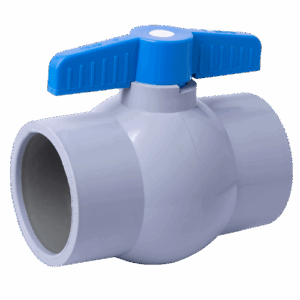
PVC ball valves are widely used in plumbing, irrigation, and industrial systems due to their durability, corrosion resistance, and cost-effectiveness. However, like any mechanical component, they can develop issues over time due to improper usage, wear and tear, or poor installation. Ignoring these problems can lead to leakage, reduced efficiency, and system failure, which may increase maintenance costs and downtime. The good news is that most PVC ball valve problems are easy to identify and fix with the right knowledge. In this guide, we will explore the most common PVC ball valve problems and their solutions, helping you maintain smooth operation and extend the lifespan of your valves.
Table of Contents
ToggleCommon PVC Ball Valve Problems and How to Fix Them
Leakage from the Valve
Problem
Leakage is one of the most common issues in PVC ball valves. It can occur from the joints, seals, or valve body.
👉 Causes
- Worn-out O-rings or seals
- Loose fittings
- Cracks in the valve body
- Improper installation
👉 Solution
- Replace damaged O-rings or seals
- Tighten fittings properly
- Use thread seal tape
- Replace the valve if cracked
Valve Not Opening or Closing Properly
Problem
The valve becomes difficult to operate or gets stuck.
👉 Causes
- Dirt or debris inside the valve
- Lack of lubrication
- Internal damage
👉 Solution
- Clean the valve thoroughly
- Apply suitable lubricant
- Replace damaged components
Cracking or Breaking of Valve
Problem
The valve body develops cracks or breaks under pressure.
👉 Causes
- Excessive pressure
- Low-quality material
- Exposure to extreme temperatures
👉 Solution
- Use high-quality valves
- Ensure proper pressure rating
- Replace damaged valve immediately
Leakage from Handle or Stem
Problem
Water leaks from the handle area.
👉 Causes
- Worn-out stem seals
- Loose packing nut
👉 Solution
- Tighten the packing nut
- Replace stem seals
Reduced Water Flow
Problem
The flow of water is lower than expected.
👉 Causes
- Blockage inside the valve
- Partial opening of the valve
- Scaling or debris buildup
👉 Solution
- Clean internal components
- Ensure full opening
- Remove debris
Valve Handle Too Tight or Too Loose
Problem
The handle becomes difficult to operate or too loose.
👉 Causes
- Lack of lubrication
- Wear and tear
- Improper assembly
👉 Solution
- Apply lubricant
- Tighten or adjust handle
- Replace worn parts
Chemical Damage
Problem
The valve material degrades due to chemical exposure.
👉 Causes
- Use of incompatible chemicals
- Harsh industrial environment
👉 Solution
- Check chemical compatibility
- Use appropriate valve material (CPVC/UPVC)
Improper Installation Issues
Problem
Frequent leakage or poor performance after installation.
👉 Causes
- Misalignment
- Over-tightening
- Incorrect fittings
👉 Solution
- Reinstall properly
- Use correct fittings
- Follow installation guidelines
Valve Not Fully Sealing
Problem
The valve does not completely stop the flow.
👉 Causes
- Damaged ball or seats
- Debris inside the valve
👉 Solution
- Clean valve
- Replace ball or seats
Aging and Wear
Problem
The valve loses efficiency over time.
👉 Causes
- Long-term usage
- Environmental exposure
👉 Solution
- Replace old valves
- Perform regular maintenance
Maintenance Tips
- Inspect valves regularly
- Clean internal components
- Avoid excessive force
- Use correct pressure ratings
- Replace worn parts on time
FAQs
Leakage usually occurs due to worn seals or loose fittings.
Clean the valve and apply lubricant.
Yes, under high pressure or poor quality.
Regular maintenance and proper usage.
Blockage or partial opening.
Yes, but only to certain chemicals.
When it shows cracks or severe leakage.
Minor issues can be fixed; major damage requires replacement.
Due to dirt or lack of lubrication.
Yes, minimal but necessary for long life.
Conclusion
PVC ball valves are reliable and efficient, but common problems can arise due to improper usage or wear and tear. By understanding these issues and applying the right solutions, you can ensure smooth operation and long-lasting performance.
Regular maintenance and choosing high-quality valves are the keys to avoiding most problems.

Previous Post
Next Post