 Call Us Now!
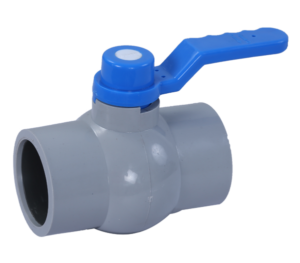
Selecting the right PVC ball valve is a critical decision in any plumbing, irrigation, or industrial piping system. While PVC ball valves are known for their durability, affordability, and corrosion resistance, choosing the wrong valve can lead to leakage, system failure, increased maintenance costs, and reduced efficiency. Many buyers make common mistakes due to lack of technical knowledge or by focusing only on price. These mistakes can result in poor performance and long-term losses. In this guide, we will highlight the most common mistakes to avoid when choosing PVC ball valves, helping you make a smarter and more cost-effective decision.
Table of Contents
ToggleCommon Mistakes to Avoid When Choosing PVC Ball Valves
Ignoring Pressure Rating
One of the biggest mistakes is not checking the pressure rating of the valve.
PVC ball valves are designed to handle specific pressure levels. Using a valve with a lower pressure rating than required can cause:
- Leakage
- Cracking
- System failure
Solution:
Always match the valve’s pressure rating with your system requirements.
Not Considering Temperature Limits
PVC ball valves are not suitable for high-temperature applications.
Many users mistakenly use them in hot water systems, which can lead to:
- Deformation
- Reduced lifespan
- Valve failure
Solution:
Use CPVC valves for high-temperature applications and PVC valves for cold water systems.
Choosing Based Only on Price
Selecting the cheapest valve may seem cost-effective initially, but it often leads to poor quality and frequent replacements.
Low-cost valves may have:
- Weak material
- Poor sealing
- Short lifespan
Solution:
Focus on quality and durability rather than just price.
Ignoring Material Quality
Not all PVC valves are made with the same quality standards.
Low-grade PVC can result in:
- Cracks
- Poor performance
- Reduced durability
Solution:
Choose high-quality PVC material from trusted manufacturers.
Selecting the Wrong Size
Choosing the incorrect valve size can disrupt the entire system.
Problems include:
- Poor water flow
- Increased pressure loss
- Leakage issues
Solution:
Always select the valve size according to the pipe diameter.
Overlooking Application Requirements
Different applications require different types of valves.
Using the wrong valve type may lead to inefficiency or failure.
Solution:
Understand your application (residential, industrial, irrigation) before selecting the valve.
Ignoring Chemical Compatibility
PVC valves are resistant to many chemicals, but not all.
Using incompatible valves can cause:
- Material damage
- Leakage
- Safety risks
Solution:
Check chemical compatibility before selection.
Not Checking Seal Quality
The sealing system is crucial for leak-proof performance.
Poor-quality seals can result in:
- Water leakage
- Reduced efficiency
- Frequent maintenance
Solution:
Ensure the valve has high-quality seats and O-rings.
Ignoring Installation Requirements
Improper installation can reduce the performance of even a high-quality valve.
Common issues include:
- Loose fittings
- Misalignment
- Leakage
Solution:
Follow proper installation guidelines and use compatible fittings.
Not Considering Maintenance Needs
Some valves are difficult to maintain or replace.
Choosing such valves increases long-term maintenance costs.
Solution:
Prefer union ball valves for easy maintenance and replacement.
Buying from Unreliable Suppliers
Purchasing valves from unknown or unverified suppliers can lead to poor-quality products.
Risks include:
- Fake materials
- Lack of warranty
- Inconsistent performance
Solution:
Choose trusted and experienced manufacturers or suppliers.
Ignoring Flow Requirements
Not considering flow rate requirements can lead to inefficiency.
Issues include:
- Reduced flow
- Pressure imbalance
- System inefficiency
Solution:
Select valves that match your flow requirements.
Not Checking Certifications and Standards
Quality certifications ensure that the valve meets industry standards.
Ignoring certifications can lead to:
- Poor safety
- Low reliability
Solution:
Always check for quality standards and certifications.
Using the Wrong Type of Ball Valve
There are different types of PVC ball valves such as:
- Standard ball valve
- Union ball valve
- Compact ball valve
Using the wrong type can affect performance.
Solution:
Choose the correct type based on your system needs.
Overlooking Long-Term Performance
Many buyers focus only on short-term use and ignore long-term performance.
This leads to:
- Frequent replacements
- Higher costs
Solution:
Invest in durable and high-quality valves for long-term benefits.
Conclusion
Avoiding common mistakes when choosing PVC ball valves is essential for ensuring efficient and long-lasting performance. By considering factors like pressure rating, material quality, size, and application, you can make a smart and reliable choice.
Investing in the right valve not only improves system efficiency but also reduces maintenance costs and enhances durability. Always choose quality over price and rely on trusted manufacturers for the best results.
 Previous Post
 Next Post