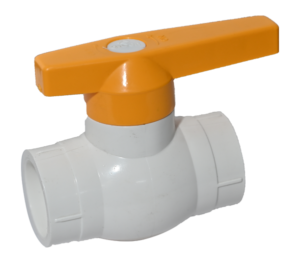
Installing an RPVC ball valve correctly is essential for ensuring smooth water flow, leak-proof performance, and long-term durability in your plumbing or industrial piping system. RPVC (Rigid Polyvinyl Chloride) ball valves are known for their strength, rigidity, and resistance to pressure, making them ideal for both residential and industrial applications. However, improper installation can lead to leakage, reduced efficiency, and even system failure. Whether you are a beginner or a professional, understanding the correct installation process is important. In this guide, you will learn how to install an RPVC ball valve step by step, along with tools required, safety tips, and common mistakes to avoid.
Before starting the installation, make sure you have the following:
RPVC Ball Valve
PVC/RPVC pipes
Pipe cutter or hacksaw
Measuring tape
Marker
PVC solvent cement
Cleaning cloth
Sandpaper or pipe reamer
Teflon tape (if threaded connection)
Step-by-Step Installation Process
Turn Off the Water Supply
Before installation, always turn off the water supply to prevent leakage or accidents.
👉 Ensure:
No water is flowing in the pipeline
The system is completely depressurized
Measure and Mark the Pipe
Measure the exact position where the valve needs to be installed.
👉 Tips:
Use a measuring tape for accuracy
Mark the cutting points clearly
This ensures proper alignment during installation.
Cut the Pipe
Use a pipe cutter or hacksaw to cut the pipe at the marked location.
👉 Important:
Make a clean and straight cut
Avoid rough edges
A proper cut ensures better fitting and sealing.
Clean and Prepare the Pipe Ends
After cutting, clean the pipe ends thoroughly.
👉 Steps:
Remove dirt and dust
Smooth rough edges using sandpaper
Ensure dry and clean surfaces
This improves bonding strength.
Apply Solvent Cement
Apply PVC/RPVC solvent cement evenly on:
Pipe ends
Valve socket
👉 Tips:
Use a thin, even layer
Do not over-apply
The cement helps create a strong and leak-proof joint.
Insert the Valve into the Pipe
Quickly insert the pipe into the valve socket after applying cement.
👉 Important:
Push firmly
Hold for a few seconds
This ensures proper bonding.
Align the Valve Properly
Make sure the valve is aligned correctly with the pipeline.
👉 Check:
Handle direction
Flow direction
Proper alignment ensures smooth operation.
Allow Proper Curing Time
Let the joint cure for the recommended time (usually 15–30 minutes).
👉 Avoid:
Moving the valve
Applying pressure too soon
Full curing ensures strong bonding.
Test the Installation
After curing, turn on the water supply slowly.
👉 Check for:
Leakage
Proper flow
Smooth operation
If everything is working fine, the installation is successful.
Maintenance Tips After Installation
Inspect regularly for leaks
Operate valve gently
Avoid excessive pressure
Clean periodically
FAQs
What is an RPVC ball valve?
It is a rigid PVC valve used to control water flow in pipelines.
Is RPVC valve easy to install?
Yes, it is simple with proper tools and steps.
Do I need special tools?
Basic tools like a cutter and cement are enough.
How long does curing take?
Usually 15–30 minutes.
Can I install it myself?
Yes, with basic knowledge.
What causes leakage after installation?
Improper sealing or alignment.
Can I use it for high pressure?
Yes, RPVC valves are suitable for higher pressure.
Is maintenance required?
Minimal maintenance is needed.
Should I use Teflon tape?
Yes, for threaded connections.
How long does it last?
It can last for years with proper use.
Conclusion
Installing an RPVC ball valve correctly ensures efficient flow control, leak-proof performance, and long-term durability. By following the proper steps, using the right tools, and avoiding common mistakes, you can achieve a reliable and professional installation.
Whether for residential or industrial use, a properly installed valve enhances system performance and reduces maintenance costs.