
 Call Us Now!
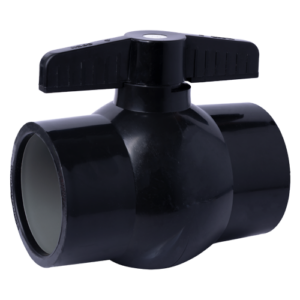
A PVC ball valve that fails mid-operation does not just disrupt your pipeline — it risks chemical leaks, water damage, production shutdowns, and costly emergency repairs. Yet across water treatment plants, chemical processing units, agricultural irrigation systems, and industrial fluid networks, valve maintenance is routinely neglected until something goes wrong. Understanding how to maintain a PVC ball valve correctly is one of the most practical skills any plant engineer, procurement manager, or facility supervisor can develop. When properly cared for, a quality PVC ball valve can serve reliably for ten to fifteen years — and in some applications, even longer. Neglect it, and you may face seal failures, stem leaks, or cracked valve bodies within a fraction of that time. This comprehensive guide from Ashok Polymers covers every aspect of PVC ball valve maintenance — from routine visual checks to seat replacement, lubrication practices, operational dos and don’ts, and storage protocols. Whether you manage a single pipeline or an entire industrial fluid system, this guide gives you actionable, technically accurate maintenance knowledge grounded in real-world valve performance.
Table of Contents
ToggleUnderstanding How a PVC Ball Valve Works
Before diving into maintenance, understanding the internal mechanics of a PVC ball valve gives you a clear picture of what can degrade and why. A ball valve controls fluid flow through a rotating perforated sphere (the ball) inside a valve body. When the handle is turned 90 degrees, the ball rotates so that the bore aligns with or blocks the pipe opening — enabling full open or fully closed states.
Key Components and Their Maintenance Relevance
| Component | Maintenance Relevance |
|---|---|
|
Valve Body (PVC) |
Inspect for cracks, UV degradation, chemical etching, or physical impact damage |
|
Ball (PTFE-coated / PVC) |
Check for scoring, pitting, or residue build-up that impairs smooth rotation |
|
Seats (EPDM / PTFE) |
Most wear-prone part — inspect regularly for deformation, cracking, or chemical swelling |
|
Stem / Spindle |
Look for corrosion, seal wear, or play in the handle that indicates stem degradation |
|
O-rings / Seals |
Should be replaced at first sign of leakage around the stem or body joints |
|
Handle / Actuator |
Ensure handle movement is smooth; stiff operation often signals internal wear or debris |
|
End Connections |
Threaded or socket ends should be leak-free; re-seal with PTFE tape if weeping |
Understanding this component hierarchy allows you to prioritise inspections — seats and seals are high-wear items and will almost always be the first elements requiring attention in a maintenance cycle.
Common Causes of PVC Ball Valve Failure
Most PVC ball valve failures are preventable. Identifying the root causes helps you build a smarter maintenance routine and choose the right valve material and specification from the outset.
A. Chemical Incompatibility
PVC is chemically resistant to a wide range of fluids, but concentrated solvents, aromatic hydrocarbons, or certain ketones will degrade the valve body or seats over time. Always verify chemical compatibility before installation and during operation reviews. Yellowing, brittleness, or swelling of the valve body are warning signs of chemical attack.
B. Thermal Stress
PVC has a working temperature range typically between 0°C and 60°C. Exposure to temperatures above this range — either from the fluid itself or ambient thermal cycling — causes warping, micro-cracking, and premature seal failure. In India’s climate, valves installed outdoors in direct summer sunlight often experience this.
C. UV Degradation
Standard PVC formulations are susceptible to ultraviolet radiation. Prolonged outdoor exposure without UV stabilisation causes surface chalking, brittleness, and eventual structural failure. Use UV-stabilised PVC valves for outdoor applications or apply protective coatings.
D. Water Hammer and Pressure Surges
Rapid closure of ball valves in high-velocity fluid lines creates pressure surges known as water hammer. Repeated exposure to these shocks stresses valve bodies and seats. Installing slow-closing actuators or surge arrestors in vulnerable lines significantly extends valve life.
E. Infrequent Operation
Ball valves that remain in the same position — either fully open or fully closed — for extended periods are prone to seat deformation and handle seizing. Periodic manual cycling of the valve through its range keeps the seats active and the stem lubricated.
F. Improper Installation Torque
Over-tightening threaded end connections can crack PVC valve bodies during installation. Under-tightening leads to leaks. Always use the manufacturer’s recommended torque values and apply PTFE tape correctly to threaded joints.
Pro Tip from Ashok Polymers
The single most common cause of premature PVC ball valve failure in industrial installations is seat deformation from thermal cycling combined with infrequent operation. Implementing a bi-monthly valve exercise protocol costs almost nothing but can double your valve’s effective service life.
Routine Maintenance Schedule for PVC Ball Valves
A structured maintenance schedule transforms valve care from a reactive emergency response into a proactive reliability programme. The following schedule is designed for general industrial and commercial applications. Critical or high-cycle installations may require more frequent checks.
| Frequency | Maintenance Tasks |
|---|---|
|
Weekly (Critical Lines) |
Visual inspection for external leaks, sweating around stem and body joints, handle responsiveness check |
|
Monthly |
Full visual inspection, valve cycling through 90 degrees, check for unusual resistance in operation, inspect visible end connections |
|
Quarterly |
Inspect seats for deformation or leakage under controlled pressure, check O-ring condition, apply approved lubricant to stem, inspect valve body surface for chemical attack or UV damage |
|
Bi-Annually |
Full disassembly inspection for high-wear applications, seat replacement if needed, seal replacement, re-torque end connections, test actual leak-off rate |
|
Annually |
Comprehensive performance review, update maintenance log, evaluate valve replacement versus continued operation based on condition data |
Step-by-Step PVC Ball Valve Inspection Guide
A proper valve inspection follows a systematic process. Skipping steps or conducting only surface-level checks is a common maintenance error. Follow this sequence for reliable results:
Step 1: Isolate and Depressurise
Before any inspection involving valve disassembly or closer physical contact, confirm the line is fully isolated, depressurised, and drained. Never work on a pressurised PVC valve. Residual fluid pressure in a cracked valve body can cause sudden failure.
Step 2: External Visual Inspection
- Check the valve body for cracks, discolouration, or deformation — pay attention to the area around end connections and the middle body joint on two-piece valves.
- Inspect the stem for visible corrosion (especially on metal stems) or signs of weeping around the stem seal.
- Observe the handle position and test its movement — a handle that requires excessive force typically indicates internal wear, seat deformation, or debris on the ball surface.
- Check end connections for weeping, mineral deposits, or cracking of the socket/thread area.
Step 3: Operational Cycling Test
Slowly cycle the valve from open to closed and back to open. Note any of the following:
- Resistance or grinding sensation — may indicate debris on the ball or seat distortion
- Handle that does not return to a clear stop position — suggests worn stops or deformed body
- Audible creaking or cracking — investigate immediately for body or stem integrity
Step 4: Leak-Off Check (In-Line)
With the valve closed and the downstream side depressurised, apply a controlled upstream pressure and monitor for any pressure rise on the downstream side. Any measurable leak-off indicates seat or seal wear requiring intervention.
Step 5: Stem Seal Inspection
Apply a soapy water solution around the stem area during a pressurised open-valve condition. Bubbles forming at the stem indicate a failing stem O-ring or gland packing — replace without delay.
Step 6: Documentation
Record findings in a maintenance logbook — valve ID, date, condition rating, any anomalies found, and corrective actions taken. This record becomes invaluable for predicting future failure patterns and justifying replacement decisions.
Lubrication and Seating: What You Must Know
Lubrication of PVC ball valves is a nuanced subject. Unlike metal valves, PVC valves do not require heavy grease lubrication — in fact, applying the wrong lubricant can accelerate seal degradation and compromise chemical resistance.
Approved Lubricants for PVC Ball Valves
| Lubricant Type | Suitability and Notes |
|---|---|
|
Silicone-Based Grease |
Ideal for most PVC ball valve applications — chemically inert, compatible with EPDM and PTFE seats, does not swell PVC |
|
PTFE-Based Lubricant |
Excellent dry-film option for applications where fluid contamination from lubricant is a concern (potable water, food processing) |
|
White Mineral Oil (Food Grade) |
Suitable for low-pressure, low-temperature water service applications — verify compatibility with seat material |
|
Petroleum-Based Grease |
NOT RECOMMENDED — petrochemical bases swell rubber seals and can chemically attack PVC over time |
|
WD-40 / Penetrating Oils |
NOT RECOMMENDED — designed as a water displacer, not a lubricant; causes rapid seal deterioration in ball valves |
Where and How to Apply Lubricant
Lubrication should be applied to the stem seal area and gently worked into the valve body around the ball during disassembly-level maintenance. Do not flood the interior of the valve with lubricant — a light, even coating is sufficient. Excess lubricant can trap contaminants and create a medium for microbial growth in water-service applications.
Important Note
For PVC ball valves used in potable water supply or food processing applications, always use NSF-61 or NSF-372 certified lubricants. The wrong lubricant in these systems not only damages the valve but can also create regulatory compliance and public health issues.
How to Replace Seats and Seals in a PVC Ball Valve
Seat and seal replacement is the most common corrective maintenance task for PVC ball valves. The good news is that a well-designed PVC ball valve — such as those manufactured by Ashok Polymers — allows for seat and seal replacement without replacing the entire valve body, making it a cost-effective repair.
Tools Required
- Two adjustable pipe wrenches or strap wrenches (use strap wrenches on PVC to avoid body crushing)
- Flathead screwdriver for seat removal
- Clean lint-free cloth
- Approved silicone lubricant
- Replacement seat and seal kit compatible with your valve size and material (EPDM or PTFE)
- PTFE tape for threaded end reconnection
Replacement Procedure: Two-Piece PVC Ball Valve
- Isolate and fully depressurise the pipeline. Drain residual fluid from the valve body.
- Use a strap wrench to grip the body and unscrew the end cap on the appropriate side. Never use metal pipe grips directly on PVC — they will deform or crack the body.
- Once the end cap is removed, carefully withdraw the ball from the valve body. Note the ball orientation for reassembly.
- Remove the seats from both sides of the body cavity. Inspect them for wear patterns — a flat spot on one side of the seat indicates the ball has been resting with weight on it, often from improper valve orientation.
- Clean all internal surfaces with a lint-free cloth. Do not use abrasive cleaners or solvents on PVC surfaces.
- Apply a thin coat of approved silicone lubricant to the new seats before insertion. Press them firmly and evenly into the seat pockets.
- Lubricate the ball lightly and reinsert it into the body, ensuring the bore aligns correctly with the handle position.
- Replace O-rings on the stem if conducting a full seal replacement.
- Reconnect the end cap by hand first, then snug with a strap wrench — do not over-torque. Follow manufacturer torque specifications.
- Pressurise the line slowly and conduct a full leak-off check before returning the valve to service.
Quality Assurance Check
After any seat replacement, always conduct a minimum 15-minute pressurised soak at operating pressure before declaring the repair complete. A leak may not appear immediately — give it adequate time under controlled conditions.
Operational Best Practices for Long Service Life
Maintenance does not happen only during scheduled inspections — it is built into how a valve is operated every single day. These operational best practices prevent the majority of preventable PVC ball valve failures:
Always Operate to Full Open or Full Close
PVC ball valves are quarter-turn, on/off devices. Using them in a partially open position to throttle flow is one of the most damaging operational habits. Partial opening subjects the downstream face of the seat to high-velocity erosive flow, rapidly wearing the seating surface. Install a dedicated needle valve or globe valve if throttling control is required in your system.
Avoid Thermal Shock
Do not rapidly introduce hot fluids into a cold PVC valve or vice versa. Thermal shock causes micro-cracking in the valve body and seat, accelerating degradation. Whenever possible, bring fluid temperatures up gradually or use expansion loops in high-temperature cycling systems.
Install in the Correct Orientation
Most PVC ball valves are designed for horizontal installation with the stem pointing upward. Inverted installation can cause the ball to rest on one seat, leading to localised deformation. Always follow the manufacturer’s recommended orientation.
Protect from Direct Sunlight
Even UV-stabilised PVC valves benefit from shading in extremely high UV exposure areas. Fit insulation jackets, paint with UV-reflective coating, or install in shaded valve pits for outdoor critical service valves.
Never Use Metal Tools Directly on PVC
During installation, maintenance, or operation, never use metal pipe grips, channel-lock pliers, or hammers directly on PVC valve bodies. Always use padded or strap-type tools. PVC is strong under pressure but brittle under concentrated point loads.
Maintain a Valve Exercise Protocol
For any valve that remains static for more than 30 days, implement a regular exercise protocol:
- Identify all valves that have not been operated within the past 30 days.
- Slowly open and close each valve through its full 90-degree range at least twice.
- Note any stiffness or unusual resistance in the maintenance log.
- Apply stem lubricant if resistance is detected.
Storage, Winterisation, and Inactive Valve Protocols
Proper Storage of Spare PVC Ball Valves
Unused or spare PVC ball valves should be stored in the half-open position — this relieves stress on both seat faces simultaneously. Store in a dry environment away from direct sunlight and sources of ozone (such as arc welders or UV lights, which produce ozone that attacks PVC). Keep in original packaging until ready to install, and inspect before use if stored for more than 24 months.
Winterisation for Cold-Climate Installations
In regions where temperatures drop below 0°C, water trapped inside a PVC ball valve during non-operational periods will freeze and expand, cracking the valve body. Before winter shutdown:
- Drain all fluid from valve bodies in exposed or unheated locations.
- Close valves in the drained condition.
- Apply low-temperature rated insulation jackets if the line must remain active.
- Consider installing freeze-protection heating tape on critical exposed lines.
Long-Term Decommissioning
If a PVC ball valve is being removed from service for a period longer than six months, fully clean the internal surfaces of any fluid residue, apply a light coating of approved lubricant to the ball and seats, cap both ends, and store in the half-open position as above. Tag with decommission date and service history.
Ashok Polymers PVC Ball Valves: Built for Durability
Choosing a high-quality valve from a proven manufacturer is itself one of the most important maintenance decisions you will ever make. At Ashok Polymers, every PVC ball valve is manufactured with tight dimensional tolerances, verified seat materials, and pressure ratings that give you a reliable baseline for long-term performance.
Why Ashok Polymers Valves Are Designed for Maintainability
- Standardised seat and seal dimensions across valve sizes allow easy sourcing of replacement parts without valve-specific proprietary kits.
- Two-piece and three-piece body designs facilitate full disassembly for in-line maintenance without removing the valve from the pipeline.
- EPDM and PTFE seat options available across the product range to match the specific chemical and thermal requirements of your application.
- UV-stabilised PVC bodies standard on outdoor-rated products, reducing surface degradation in high-sunlight environments.
- True union configurations available for applications where frequent removal and reinstallation is required.
Ashok Polymers supplies PVC ball valves across a wide range of industries including water treatment, agriculture, chemical processing, pharmaceuticals, swimming pool systems, and industrial fluid handling. With a track record of supplying quality valve solutions, the company supports customers with technical guidance on valve selection, installation, and maintenance.
Internal Link Suggestion: Explore our full range of PVC Ball Valves at ashokpolymers.com — available in sizes from 15mm to 200mm with multiple pressure ratings.
Frequently Asked Questions (FAQs)
For industrial water systems operating continuously, a monthly visual inspection is the minimum recommendation. A full operational check — including valve cycling, stem seal inspection, and leak-off testing — should be conducted quarterly. For high-cycle applications or systems carrying aggressive chemicals, increase the frequency to bi-monthly full inspections. Critical isolation valves on high-pressure or high-value pipelines may warrant weekly checks.
No. WD-40 is a water displacer and light solvent, not a dedicated lubricant. Applying it to a PVC ball valve will cause rapid deterioration of rubber seats and O-rings. For a stiff PVC ball valve, use a silicone-based grease specifically formulated for plastic valve components. If the valve is so stiff that lubrication does not resolve it, disassemble and inspect for debris on the ball surface or seat deformation.
A quality PVC ball valve with correct material specification for the application, properly installed, and consistently maintained can reliably serve for 10 to 15 years in standard water service. In chemically aggressive environments or high-cycle applications, realistic service life is 5 to 8 years before seats require replacement. With a disciplined maintenance programme, you can identify and address wear long before it becomes a failure event, maximising return on the initial valve investment.
The clearest indicator is measurable leak-off — fluid passing through a closed valve. Other signs include: a handle that no longer comes to a firm stop in the closed position, visible scoring or deformation on the ball when disassembled, or a valve that requires increasing torque to operate over successive inspections. In potable water systems, a deteriorating seat may also cause discolouration in the downstream flow as seat material begins to shed.
For valves less than five years old, seat and seal replacement is almost always the economical choice — provided the valve body and ball are in good condition. For valves over eight to ten years old, or those showing body cracking, significant UV degradation, or visible ball pitting, full replacement is more cost-effective. The cumulative labour cost of repeated in-line repairs on an aging valve often exceeds the replacement cost of a new valve within one or two additional service cycles.
PVC ball valves are designed as on/off isolation devices, not flow throttling control valves. Using them in a partially open position subjects the downstream seat face to erosive turbulent flow, causing rapid seat wear and shortened valve life. If your application requires flow regulation, install a dedicated PVC globe valve or needle valve alongside your isolation ball valve. This preserves ball valve service life and gives you better flow control precision.
First, confirm the valve is not under pressure — never force a pressurised valve. If the valve is at zero pressure and still will not turn, the likely causes are: prolonged disuse causing the seat to cold-flow around the ball, debris trapped between ball and seat, or stem thread galling in threaded-stem designs. Apply penetrating silicone lubricant around the stem and gently work the handle with gradual increasing effort. If the valve still will not cycle, disassemble and inspect. Forcing a stuck PVC valve with a lever extension risks cracking the handle attachment point or the stem.
Conclusion: Consistent Maintenance Pays for Itself Many Times Over
A PVC ball valve is a low-maintenance component by nature — but low-maintenance does not mean no-maintenance. The difference between a valve that lasts five years and one that lasts fifteen is almost always the consistency of the maintenance programme applied to it.
By understanding your valve’s internal components, following a structured inspection schedule, applying the right lubricants, replacing seats at the first sign of wear, and operating your valves correctly, you dramatically reduce unplanned downtime, emergency repair costs, and the environmental and safety risks that come with valve failure.
At Ashok Polymers, we manufacture PVC ball valves designed with maintainability as a core engineering principle — because we know that the total cost of ownership depends as much on how easily a valve can be serviced as on its purchase price. Explore our range at ashokpolymers.com or contact our technical team for valve selection and maintenance guidance tailored to your application.
Need Reliable PVC Ball Valves for Your Project?
Ashok Polymers supplies premium PVC ball valves across India — with full technical support, size range from 15mm to 200mm, and EPDM / PTFE seat options to match your application.
 Previous Post