
 Call Us Now!
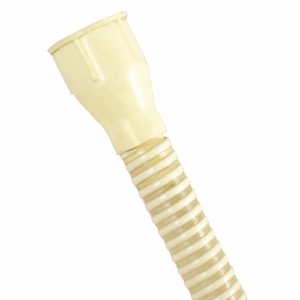
Have you ever looked under a kitchen sink, behind a bathroom basin, or along a wall-mounted drainage run and wondered what that white or grey plastic pipe is — and why it is used everywhere? The answer, in almost every case, is PVC waste pipe — one of the most widely used and consistently reliable materials in modern plumbing and drainage systems. Whether you are a homeowner planning a bathroom renovation, a plumber installing a new drainage system, or a contractor specifying materials for a building project, understanding how PVC waste pipe works, where it is used, and how to install it correctly will save you time, money, and avoidable call-backs. In this complete guide, you will learn everything you need to know about PVC waste pipe — its common applications, the key benefits over alternative materials, available sizes and fittings, and a clear step-by-step installation guide that takes you from planning to final test.
Table of Contents
ToggleWhat is PVC Waste Pipe — and Why Does the Material Matter?
PVC waste pipe is rigid plastic pipework manufactured from Polyvinyl Chloride (PVC) and used to carry waste water — the used water from sinks, baths, showers, washing machines, and toilets — away from fixtures and into the main drainage system or sewer.
Before PVC became the dominant material in domestic and commercial drainage, plumbers used cast iron, lead, and later copper for waste piping. Each of these materials had significant drawbacks: cast iron was heavy and prone to corrosion; lead was toxic and has been phased out entirely; copper was expensive and required specialist skills to install. When PVC emerged as a plumbing material in the mid-20th century, it addressed every one of these weaknesses simultaneously.
Today, PVC accounts for over 65% of all plastic pipe installed globally — and in waste drainage applications, it has become the near-universal standard. Understanding what makes it so effective starts with understanding the problems it solved — and the performance it consistently delivers.
The challenge for buyers and specifiers is that not all PVC waste pipe is the same. Wall thickness, pressure rating, chemical resistance, and fitting system compatibility all vary between products — and selecting incorrectly can result in leaks, poor flow, noise problems, or regulatory non-compliance.
Common Uses of PVC Waste Pipe
PVC waste pipe is used in an enormous range of residential, commercial, and light industrial drainage applications. Here is where you will find it most commonly installed:
Domestic Bathroom and Kitchen Drainage
The most familiar application — PVC waste pipe connects sinks, basins, baths, showers, and toilets to the building’s main soil stack or drainage network. Typical sizes range from 32mm (hand basin waste) to 110mm (soil and vent pipe) in domestic installations.
Soil and Vent Pipes (SVP)
Large-diameter PVC pipe (typically 110mm) forms the main vertical soil and vent stack in residential and commercial buildings — carrying toilet waste to the underground drainage system and venting sewer gases safely above roof level. PVC SVP systems are lighter, faster to install, and quieter than cast iron alternatives when acoustic-grade pipe is specified.
Underground Drainage
PVC is extensively used for underground drainage runs connecting building outlets to inspection chambers, soakaways, and public sewers. Specifically designed underground-grade PVC pipe with ring seal joints handles soil movement, variable loading, and the chemical environment of buried drainage without corrosion or joint degradation.
Rainwater and Guttering Systems
PVC is the dominant material for above-ground rainwater drainage — gutters, downpipes, and rainwater hoppers are almost universally manufactured in PVC due to its weather resistance, colour stability, and ease of installation.
Commercial and Institutional Buildings
Hospitals, hotels, schools, and office buildings use PVC waste piping throughout — from individual fixture connections to multi-storey discharge stacks. In commercial applications, fire-rated and acoustic-grade PVC systems are available to meet building regulation requirements.
Light Industrial Applications
PVC waste pipe is used in light industrial facilities for the drainage of process water, cooling water returns, and non-aggressive chemical waste streams. For more chemically aggressive fluids, CPVC or specialist chemical-resistant grades are specified instead.
Key Benefits of PVC Waste Pipe
PVC waste pipe has earned its dominant market position because it genuinely outperforms alternatives across every key performance dimension. Here is a structured look at its core advantages:
| Benefit | What It Means in Practice | Compared to Alternatives |
|---|---|---|
|
Corrosion Resistance |
Will not rust, scale, pit, or degrade from water or most chemicals. Smooth internal bore stays clean over decades. |
Will not rust, scale, pit, or degrade from water or most chemicals. Smooth internal bore stays clean over decades. |
|
Lightweight |
PVC is 5x lighter than cast iron — easier to handle, transport, and install with fewer operatives. |
Cast iron SVP requires specialist labour and lifting equipment on multi-storey projects. |
|
Low Cost |
Significantly cheaper than copper or cast iron — both in material cost and installation labour. |
Copper waste pipe costs 3–5x more per metre. Cast iron 8–12x more including installation. |
|
Easy Installation |
Solvent weld and push-fit systems allow fast, reliable connections without specialist tools or hot works. |
Copper requires brazing or press-fit tools. Cast iron requires specialist caulking skills. |
|
Smooth Internal Bore |
Smooth PVC walls resist scaling and buildup — maintaining full flow capacity throughout service life. |
Cast iron corrodes internally, reducing bore diameter and flow rate over time. |
|
Chemical Resistance |
Resistant to most household and light industrial chemicals, detergents, cleaning agents, and waste water. |
Copper can be attacked by aggressive water chemistry. Cast iron by acidic waste streams. |
|
Long Service Life |
Quality PVC waste pipe has a design life of 50+ years under normal conditions when correctly installed. |
Well-installed cast iron lasts similarly — but at dramatically higher installation cost. |
|
Low Maintenance |
No painting, treatment, or anti-corrosion maintenance required. Inspect and leave. |
Cast iron requires periodic inspection and treatment to manage internal and external corrosion. |
|
Sound Options Available |
Acoustic-grade PVC (mineral-filled) significantly reduces flow noise in multi-occupancy buildings. |
Standard PVC transmits more sound than cast iron — acoustic grade solves this economically. |
PVC Waste Pipe Sizes and Fittings — What You Need to Know
Selecting the correct pipe diameter is critical for proper drainage performance. Too small a diameter causes slow drainage and blockage risk; too large wastes material and can cause siphonage of trap seals. Here is the standard size guide for domestic and light commercial applications:
| Pipe Diameter | Typical Application | Min. Fall Required | Key Fitting Types |
|---|---|---|---|
|
32mm |
Hand basin, bidet waste |
18–90mm per metre |
P-trap, S-trap, 90° bend, 45° bend, swept tee |
|
40mm |
Kitchen sink, bath, shower tray waste |
18–90mm per metre |
P-trap, S-trap, bottle trap, equal tee, reducer |
|
50mm |
Multiple fixture connections, commercial basins |
18–45mm per metre |
Equal tee, swept tee, boss adaptor, reducer |
|
82mm |
Branch discharge pipe, urinal waste connections |
18–45mm per metre |
Branch boss, swept tee, access bend, reducer |
|
110mm |
Soil and vent pipe (SVP), WC connections |
18–90mm per metre |
WC connector, double socket, manifold, access pipe |
|
160mm |
Large commercial SVP, underground drainage |
10–40mm per metre |
Underground access, inspection chamber adaptors |
Common PVC Waste Pipe Fittings
- Traps (P-trap, S-trap, Bottle trap) — create the water seal that prevents sewer gas entering the building
- Elbows and Bends (45° and 90°) — change pipe direction while maintaining flow
- Equal Tee and Swept Tee — branch connections joining two waste runs into one
- Couplings and Reducers — join pipes of the same or different diameters
- Boss Adaptors — allow branch connections into existing SVP pipework
- Access Bends and Cleaning Eyes — provide rodding access for blockage clearance
- Expansion Couplings — accommodate thermal movement in long runs
Step-by-Step PVC Waste Pipe Installation Guide
Installing PVC waste pipe is a practical skill that a competent DIYer or tradesperson can learn quickly. The two main jointing methods are solvent weld (permanent, for fixed pipework) and push-fit (removable, for accessible under-sink connections). This guide covers both.
Tools and Materials Required
- PVC waste pipe in the correct diameter and length
- PVC fittings: traps, bends, tees, and couplings as required
- Solvent cement and primer (for solvent weld joints)
- Pipe cutter or fine-tooth hacksaw
- Deburring tool or medium-grit sandpaper
- Tape measure and pencil
- Spirit level (to check fall)
- Pipe clips or brackets and fixings
- Cloth for cleaning pipe ends
Installation Steps
| Step | Action to Take | Key Tips and Cautions |
|---|---|---|
|
1 |
Plan your pipe route and measure |
Mark the complete pipe route from fixture to drain. Note any bends, branches, and the fall required. Always plan from the drainage outlet back to the fixture. |
|
2 |
Check and confirm fall (gradient) |
PVC waste pipes must run at a gradient of 18–90mm per metre fall (1:40 to 1:10). Too shallow causes slow drainage; too steep causes self-siphoning of traps. Use a spirit level to check. |
|
3 |
Cut pipe to length |
Use a pipe cutter or fine-tooth hacksaw. Always cut square — an angled cut weakens solvent weld joints. Deburr the cut end thoroughly inside and out. |
|
4 |
Dry-fit all components |
Assemble all pipes and fittings without cement first. Check alignment, fall, and clearances. Mark pipe insertion depths with pencil before disassembly. |
|
5 |
Clean all joint surfaces |
Wipe pipe ends and socket interiors with a clean dry cloth. Remove all dust, grease, and moisture. For solvent weld: apply PVC primer to both surfaces and allow to dry per manufacturer’s instructions. |
|
6 |
Apply solvent cement |
Apply an even coat of solvent cement to the pipe end first, then to the socket interior. Work quickly — cement begins bonding immediately. Do not apply too much; excess inside the pipe restricts flow. |
|
7 |
Make the joint |
Push the pipe firmly into the socket with a slight twisting motion (quarter turn) to spread cement evenly. Hold firmly for 30 seconds. Do not move the joint for at least 5 minutes. Full cure: 24 hours before pressure testing. |
|
8 |
Fix pipe to structure |
Clip pipe to walls or joists at maximum 500mm intervals for horizontal runs, 1.2m for vertical runs. Use the correct size clips. Allow slight clearance for thermal movement on long runs — do not over-tighten clips. |
|
9 |
Install traps |
Fit the appropriate trap to each fixture. Ensure the water seal depth is at least 50mm (P-trap) or 75mm (deep-seal) as required by building regulations. Push-fit traps should be lubricated with silicone grease. |
|
10 |
Test the installation |
Fill each fixture fully and release the plug to create maximum flow. Check every joint for leaks during and after flow. For SVP systems, a water test (filling the stack with water and checking for 3 minutes) may be required. |
Common PVC Waste Pipe Installation Mistakes and How to Avoid Them
Even experienced plumbers occasionally make these errors. Knowing them in advance will protect your installation from the most common causes of callback and failure:
Incorrect Fall (Gradient)
Installing horizontal waste pipes with insufficient fall causes slow drainage and blockage. Installing with too steep a fall causes the water to run ahead of the solids, leaving them stranded in the pipe. Always set and verify fall using a spirit level before fixing pipes in position.
Not Deburring Cut Pipe Ends
Rough pipe ends left by cutting create turbulence inside the pipe, promote scaling and blockage, and produce weak solvent weld joints by preventing full seating in the socket. Always deburr thoroughly with a deburring tool or sandpaper.
Using the Wrong Solvent Cement
Standard PVC solvent cement is not suitable for CPVC, ABS, or polypropylene fittings. Always match the solvent cement to the pipe material. Using the wrong cement will produce a joint that appears sound but fails under normal use.
Not Allowing Adequate Cure Time
Solvent weld joints must cure for a minimum of 24 hours before pressure testing or use. Pressurising too early — even 1 to 2 hours after jointing — can cause joint failure. Plan installation to allow full overnight cure before commissioning.
Over-Clipping Pipes (No Thermal Movement)
PVC expands and contracts with temperature changes. Long pipe runs fixed rigidly at every support point will buckle or joint-stress when temperature fluctuates. Use expansion couplings on runs over 3 metres and ensure clips are fitted correctly — supporting but not restricting the pipe.
Our Complete Range of PVC Waste Pipe and Fittings
Whether you are installing a single basin waste in a domestic bathroom or specifying a complete multi-storey drainage system for a commercial building, having the right product from a trusted manufacturer makes every stage of the job simpler and more reliable.
Our PVC waste pipe and fittings range covers sizes from 32mm to 160mm — including push-fit systems for accessible connections, solvent weld systems for permanent fixed installations, and acoustic-grade pipe for multi-occupancy and commercial applications where noise attenuation is required.
- Full range of pipe diameters: 32mm, 40mm, 50mm, 82mm, 110mm, and 160mm
- Solvent weld and push-fit systems — compatible with all major building standards
- Comprehensive fittings programme: traps, bends, tees, boss adaptors, access fittings
- Acoustic-grade PVC waste pipe — mineral-filled for significantly reduced flow noise
- Fire-rated systems available for installations in fire-compartmented buildings
- UV-stabilised grades for external and exposed above-ground rainwater applications
Trusted by over 3,000 plumbers, contractors, and building services engineers across residential and commercial projects. Request our full PVC waste pipe product catalogue, technical data sheets, and system specification guide today.
Frequently Asked Questions (FAQs)
PVC waste pipe typically refers to the smaller diameter pipework (32mm to 50mm) carrying grey water waste from sinks, baths, and showers to the soil stack or drain. Soil pipe (typically 110mm) carries both toilet waste (black water) and the waste from other fixtures down to the underground drain. In modern installations, both waste and soil pipes are made from PVC, and they connect together as a complete system — waste pipes discharge into the soil stack at appropriate boss connections.
Standard above-ground PVC waste pipe is not designed for underground use. Underground drainage requires specifically rated underground PVC pipe (typically orange or brown in colour) with ring-seal flexible joints that can accommodate ground movement and loading. Underground PVC drainage pipe conforms to different standards (BS EN 1401 in the UK) with heavier wall thickness and rubber ring joint systems rather than solvent weld connections.
Horizontal PVC waste pipes should be laid at a gradient of between 18mm and 90mm per metre of run — equivalent to a 1:40 to 1:10 slope. For most domestic installations, 44mm per metre (1:22, approximately 2.5 degrees) is the recommended target. Too little fall causes slow drainage and blockages; too steep a fall causes the liquid to outrun the solids, leaving them deposited in the pipe. Always check gradient with a spirit level during installation.
High-quality PVC waste pipe installed correctly has a design life of 50 years or more under normal domestic conditions. PVC does not corrode, rust, or scale internally — its smooth bore is as effective after 30 years as the day it was installed. The main factors that reduce service life are UV degradation in outdoor applications (use UV-stabilised grades), chemical attack from incompatible waste streams, and mechanical damage from impact or ground movement in buried applications.
Primer softens and cleans the pipe surface before cementing, producing a stronger and more reliable solvent weld bond. Whether primer is mandatory depends on the pipe diameter and the solvent cement product being used. For pipe diameters 40mm and above, using primer is strongly recommended. For 32mm pipe in domestic applications, one-step (primer-integrated) solvent cements are widely used. Always follow the solvent cement manufacturer’s specific instructions — requirements vary between products and pipe diameters.
Conclusion
PVC waste pipe is the backbone of modern domestic and commercial drainage — combining corrosion resistance, low cost, ease of installation, and a decades-long service life into a single, universally available material. Whether you are replacing a leaking under-sink waste, installing a new bathroom, or specifying drainage for a multi-storey building, PVC gives you the performance, reliability, and value that no alternative material can match at the same price point.
To summarise the key points from this guide: PVC waste pipe is used in everything from hand basin wastes to soil stacks and underground drainage. Its core benefits — corrosion resistance, light weight, smooth bore, and easy installation — make it the professional’s default choice. Follow the 10-step installation guide, avoid the five common mistakes, and match your pipe size and fitting type to your specific fixture and flow requirements.
Whether you are planning a quick repair or a full system installation, start with the right product from a quality manufacturer — the difference in performance and longevity is measurable over the life of the system. Browse our complete PVC waste pipe and fittings range or contact our technical team for a free specification review today.
 Previous Post