
 Call Us Now!
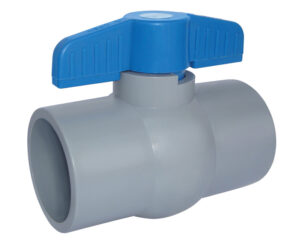
Chemical processing environments are among the most demanding in any industrial sector. Pipelines carry aggressive acids, alkalis, solvents, and corrosive fluids day in and day out — and a single valve failure can halt production, endanger workers, or cause regulatory violations. This is precisely why the material and design of every flow control component matters enormously. Among the various valve solutions available, RPVC ball valves have emerged as the go-to choice across chemical plants, water treatment facilities, fertiliser units, and pharmaceutical processing lines. This article unpacks the technical and operational reasons behind that preference, helping procurement engineers, plant managers, and industrial buyers make confident, well-informed sourcing decisions.
Table of Contents
ToggleWhat Is an RPVC Ball Valve? A Quick Overview
RPVC stands for Rigid Polyvinyl Chloride — a high-strength thermoplastic that combines the lightweight nature of plastic with mechanical rigidity close to that of metal. An RPVC ball valve uses a spherical ball with a central bore, rotated 90° by a handle or actuator to open or shut fluid flow completely. The quarter-turn mechanism delivers full open-close operation in a single swift motion, making it ideal for on/off flow control and isolation tasks.
What differentiates RPVC from standard PVC is its enhanced rigidity and impact resistance, achieved through controlled polymerisation and additives. This makes it significantly better suited for pressurised chemical lines where regular PVC may deform or become brittle over time.
The Chemical Challenge: Why Standard Valves Fail
Traditional metal valves — cast iron, mild steel, carbon steel — corrode when exposed to acids, chlorinated water, industrial solvents, and oxidising agents. The costs are not just financial. Corroded valves leak, contaminate process fluids, create safety hazards, and drive up maintenance schedules. A plant running multiple metal valves on a chemical dosing line may face replacement cycles as short as 12–18 months.
Stainless steel offers better corrosion resistance but at a significantly higher material and fabrication cost. For large-scale chemical infrastructure projects — treatment plants, agrochemical manufacturing, or textile dyeing units — procuring hundreds of SS valves is prohibitively expensive.
This is the gap that RPVC ball valves fill with precision. They offer the chemical resistance needed for aggressive fluid handling, without the cost burden of exotic metals or alloys.
Key Properties That Make RPVC Ideal for Chemical Applications
Broad-Spectrum Chemical Resistance
RPVC demonstrates resistance to a wide range of chemicals encountered in industrial processing. It performs reliably in the presence of dilute and concentrated acids (hydrochloric, sulfuric, phosphoric), alkalis (sodium hydroxide, potassium hydroxide), salt solutions, and most inorganic oxidising agents. This broad chemical compatibility is the single biggest reason chemical engineers prefer RPVC over carbon steel or cast iron for chemical fluid handling.
Corrosion-Free by Nature
Unlike metal valves, RPVC does not rust, pit, or develop galvanic corrosion. There are no oxide layers to flake into your process stream, no surface degradation from prolonged chemical contact, and no need for protective coatings that may wear off under heat or pressure cycles. For industries like water treatment and effluent management where fluid purity is non-negotiable, this is a critical advantage.
Lightweight Yet Structurally Rigid
RPVC valves weigh a fraction of their metal counterparts. For overhead piping systems, large-diameter chemical distribution headers, and modular process skids, reduced valve weight means lower structural support requirements, easier installation, and reduced long-term mechanical stress on flanged joints and fittings.
Excellent Pressure and Temperature Performance
RPVC ball valves are rated for operating pressures suitable for most chemical process applications, typically up to 10 bar (145 PSI) depending on diameter, and function reliably in temperatures ranging from 0°C to approximately 60°C. For ambient-temperature chemical dosing lines, cooling water circuits, and effluent conveyance systems, this range covers the vast majority of operational requirements.
Low Friction, Leak-Proof Sealing
The ball and seat design in RPVC valves ensures a tight shut-off with minimal operational torque. PTFE (Teflon) seats are commonly used in chemical-grade RPVC valves to provide additional chemical inertness at the sealing interface. This combination results in zero-leakage performance critical for hazardous chemical containment.
Cost-Effective Over the Full Lifecycle
Initial acquisition cost of RPVC valves is considerably lower than stainless steel. When factored across replacement frequency, maintenance labour, and zero-coating requirements, the total cost of ownership over a 10-year operational cycle is substantially lower with RPVC. For large chemical plants managing hundreds of valve points, this translates to meaningful savings.
Non-Contaminating for Process Fluids
RPVC is chemically inert in most industrial applications, meaning it does not leach compounds into the fluid stream. This is particularly important in pharmaceutical manufacturing, food-grade chemical processing, and potable water treatment where even trace contamination from valve materials can compromise product quality or regulatory compliance.
Industries That Rely on RPVC Ball Valves
The adoption of RPVC ball valves spans a wide range of chemical and process industries. Below are the key sectors where these valves have become standard specification:
Chemical Manufacturing Plants
From chloro-alkali facilities to industrial chemical blending units, RPVC ball valves are used on dosing lines, drainage circuits, and inter-tank transfer piping. Their resistance to chlorinated compounds and sodium hypochlorite makes them particularly reliable in these environments.
Water Treatment and Effluent Management
Municipal water treatment plants and industrial effluent treatment systems use RPVC valves extensively. Chemical dosing — chlorination, pH correction using acid or alkali — requires valves that will not corrode from repeated contact with treatment chemicals. RPVC ball valves deliver this dependability at the required scale.
Agrochemical and Fertiliser Industry
Fertiliser manufacturing involves phosphoric acid, ammonia derivatives, and nitrogen compounds. RPVC valves are resistant to these common fertiliser process chemicals and are widely used in the distribution and transfer piping of fertiliser plants across India.
Textile and Dye Processing
Dyeing and finishing operations involve strong alkalis, acids, bleaching agents, and reactive dyes. RPVC valves on chemical preparation tanks, dyeing machines, and effluent return lines hold up far better than iron or carbon steel valves that rapidly corrode in these conditions.
Pharmaceuticals and Nutraceuticals
Low-contamination requirements and resistance to cleaning agents such as caustic soda and citric acid make RPVC ball valves suitable for utility piping in pharmaceutical manufacturing facilities.
Swimming Pool and Aquaculture
Chlorine dosing systems in commercial swimming pools and aquaculture water treatment circuits commonly use RPVC valves. They are unaffected by chlorine, pool acids, and bromine compounds that quickly degrade metal valves.
How to Select the Right RPVC Ball Valve for Your Chemical Process
Not all RPVC ball valves are identical. Selecting the correct specification requires evaluating several technical parameters:
- Pipe Size and Connection Type: Match valve bore diameter to your pipe bore. Confirm whether solvent cement (socket), threaded, or flanged connection suits your system design.
- Pressure Rating: Confirm the valve’s rated working pressure exceeds your maximum system pressure. Include a safety margin for pressure surges.
- Chemical Compatibility: Verify your specific chemical fluid against the RPVC compatibility chart. For highly concentrated strong oxidisers or aromatic solvents, an alternative material may be needed.
- Temperature Range: Ensure your operating temperature falls within the valve’s rated range. RPVC valves perform best in ambient to moderate-temperature applications.
- Actuator Requirement: Decide between manual (lever handle) or automated (pneumatic/electric actuator) operation depending on your process control requirements.
- Seat and Seal Material: For aggressive chemical service, specify PTFE seats and EPDM or Viton O-rings over standard NBR seals.
RPVC vs. Metal and Other Plastic Valves: A Direct Comparison
| Parameter | RPVC Ball Valve | Cast Iron Valve | Stainless Steel Valve | Standard PVC Valve |
|---|---|---|---|---|
|
Chemical Resistance |
Excellent |
Poor |
Good–Excellent |
Good |
|
Corrosion Risk |
None |
High |
Low |
None |
|
Weight |
Very Light |
Heavy |
Medium |
Very Light |
|
Material Cost |
Low |
Low-Medium |
High |
Low |
|
Lifespan (Chemical Use) |
Long |
Short |
Long |
Moderate |
|
Contamination Risk |
None |
High (rust) |
Low |
Low |
|
Pressure Rating |
High |
Very High |
Very High |
Medium |
|
Ideal Application |
Chemical processes |
General utilities |
Harsh chemicals/heat |
General water use |
Ashok Polymers RPVC Ball Valves: Engineered for Chemical Process Reliability
If your operation demands flow control components that combine chemical resistance, structural rigidity, and long service life without stretching procurement budgets, Ashok Polymers RPVC ball valves are built for exactly that purpose.
Based in Ahmedabad — India’s industrial manufacturing hub — Ashok Polymers has established itself as a trusted manufacturer of precision-grade RPVC and PVC ball valves for industrial, agricultural, and infrastructure applications. The RPVC ball valves from Ashok Polymers feature:
- High-grade RPVC body for superior chemical resistance and structural integrity
- PTFE seats ensuring leak-proof sealing even in aggressive chemical service
- Quarter-turn lever mechanism for fast, reliable on/off operation
- Available across a range of pipe sizes and connection standards
- Manufactured under stringent quality control for consistent dimensional accuracy
Whether you are setting up a new chemical dosing system, upgrading an ageing water treatment plant, or sourcing valves for a large-scale agrochemical project, Ashok Polymers provides reliable supply with consistent quality. Explore the full RPVC ball valve range at ashokpolymers.com or contact the team directly to discuss your specific application requirements.
Frequently Asked Questions (FAQs)
RPVC stands for Rigid Polyvinyl Chloride. While both RPVC and standard PVC are thermoplastics, RPVC undergoes a manufacturing process that enhances its rigidity, impact strength, and resistance to pressure. Standard PVC is more flexible and better suited to low-pressure applications, whereas RPVC is specified for demanding industrial piping systems where structural integrity and chemical resistance are both critical.
Yes, RPVC ball valves demonstrate good resistance to dilute and moderately concentrated sulfuric acid and hydrochloric acid, making them suitable for chemical dosing lines and dilution systems. However, for highly concentrated sulfuric acid (above 70%) or fuming acids, it is advisable to consult material compatibility data sheets and potentially consider CPVC or PVDF alternatives. Always verify with your valve supplier for your specific concentration and temperature conditions.
RPVC ball valves are typically rated for working pressures up to 10 bar (approximately 145 PSI) at room temperature, though the actual rating varies by diameter and wall thickness. Pressure handling capacity decreases at higher operating temperatures. Always select a valve with a pressure rating that exceeds your maximum system operating pressure, including allowance for pressure spikes or water hammer effects.
RPVC and UPVC are closely related — both are unplasticised, rigid PVC materials with similar chemical resistance profiles. CPVC (Chlorinated PVC) offers a higher temperature rating (up to approximately 90°C), making it preferable for hot chemical lines. For ambient-temperature chemical applications, RPVC valves provide comparable performance at typically lower cost than CPVC. The best choice depends on your specific temperature and chemical requirements.
Yes, RPVC ball valves are well-suited for sodium hypochlorite (NaOCl) service at the concentrations typically used in water treatment and disinfection applications. Unlike metal valves that rapidly corrode and contaminate the hypochlorite solution, RPVC valves remain chemically inert and maintain leak-free performance. This is one of the most common applications for RPVC valves in municipal water treatment and industrial effluent disinfection systems.
With proper installation, operation within rated pressure and temperature limits, and suitable chemical compatibility, RPVC ball valves used in chemical service typically provide 8 to 15 years of reliable service life. The actual lifespan depends on the aggressiveness of the chemical media, UV exposure (relevant for outdoor installations), operating cycle frequency, and maintenance practices. RPVC valves in chemical service generally outlast equivalent carbon steel valves by a significant margin.
Yes, RPVC ball valves can be fitted with pneumatic or electric actuators for remote operation and process automation. This is particularly useful in chemical plants where manual operation near hazardous fluids is undesirable, or where process control systems require automated flow switching. Ensure the actuator bracket and coupler are compatible with the specific valve model and that actuator torque ratings match the valve’s operational requirements.
Conclusion
The preference for RPVC ball valves in chemical industries is grounded in clear, measurable advantages: broad chemical resistance, zero corrosion, structural rigidity, low weight, cost efficiency, and a long operational life. For plant engineers and procurement professionals managing chemical processing infrastructure, RPVC ball valves represent a smart, reliable, and cost-conscious choice that consistently outperforms metal alternatives in corrosive service environments.
As chemical processes grow more complex and regulatory standards tighten, the demand for precision flow control components built from chemically inert materials will only increase. Specifying the right valve from a proven manufacturer is the first step towards a reliable, low-maintenance chemical piping system.
Ashok Polymers manufactures high-quality RPVC ball valves engineered for exactly these demands. Contact the team today to request technical specifications, get a quote, or discuss your chemical process requirements.
 Previous Post
 Next Post